



























The Hydnophytinae
Ants, of course. Cockroaches, spiders, and centipedes too. Nematodes and flatworms. A frog and its eggs. An undescribed species of yellow gecko. Fungi galore. Even a crab. According to a 1997 study, these were just some of the sixty-plus species of organisms found living within plants belonging to the genera Hydnophytum, Myrmecodia, Squamellaria, Anthorrhiza, and Myrmephytum in the family Rubiaceae - the commonly called ant plants. All of these inbiota provide nutrients to the plant through excrement and biological detritus deposited within domatia, the interior chambers of the plant that they call home, although it is surely the eponymous ants that have the most complex relationship with their landlords the ant plants. Ants protect the plants from would-be predators and the plants provide safe haven for the ant colony as they live and raise young inside the plants.
Appreciating the form and function of Rubiaceaous ant plants will ultimately help develop a sense of their cultural requirements. While these plants may superficially look like caudiciform succulents, they are from vastly different environments - nearly all are epiphytes growing on trees in forests with significant year round high humidity and ample rainfall.
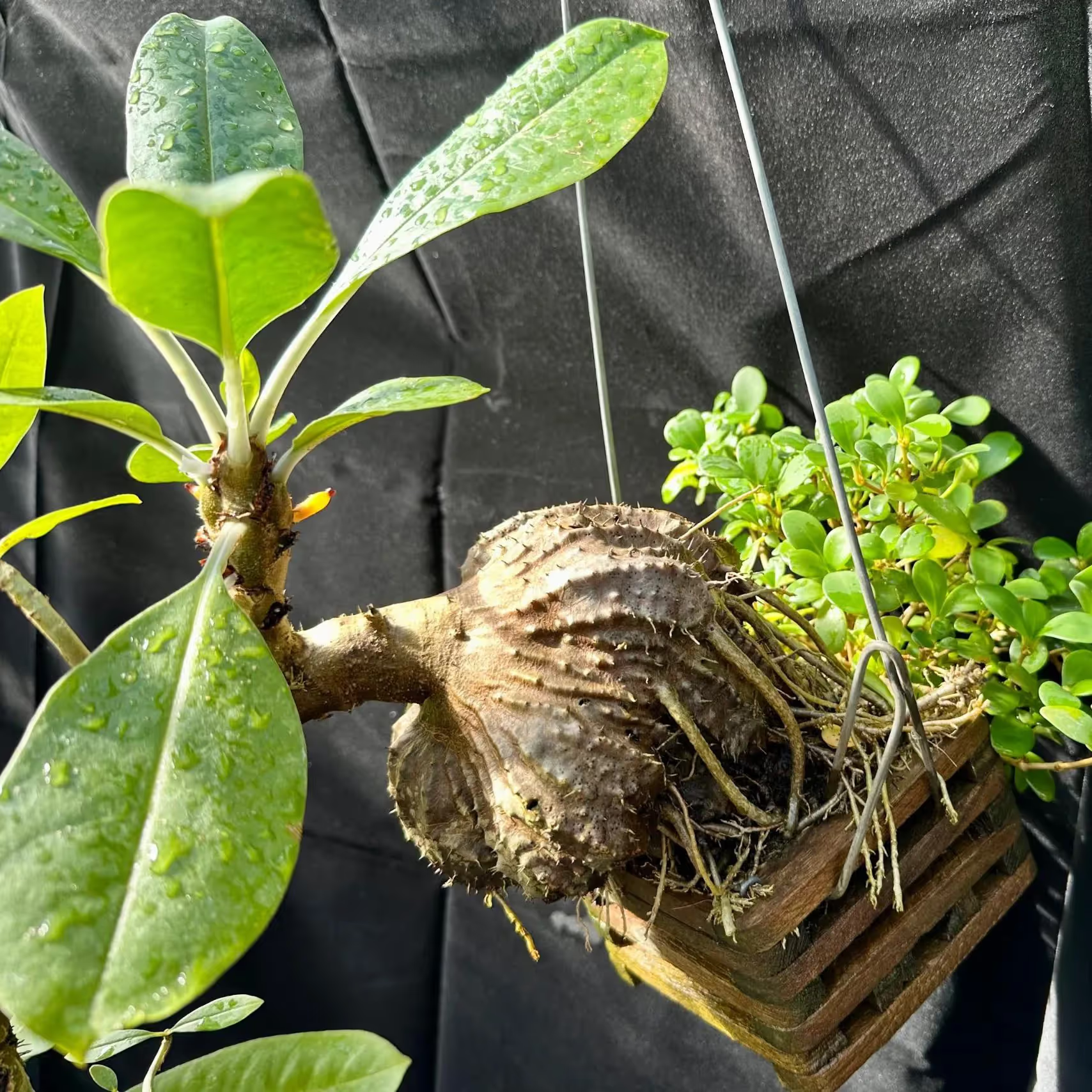
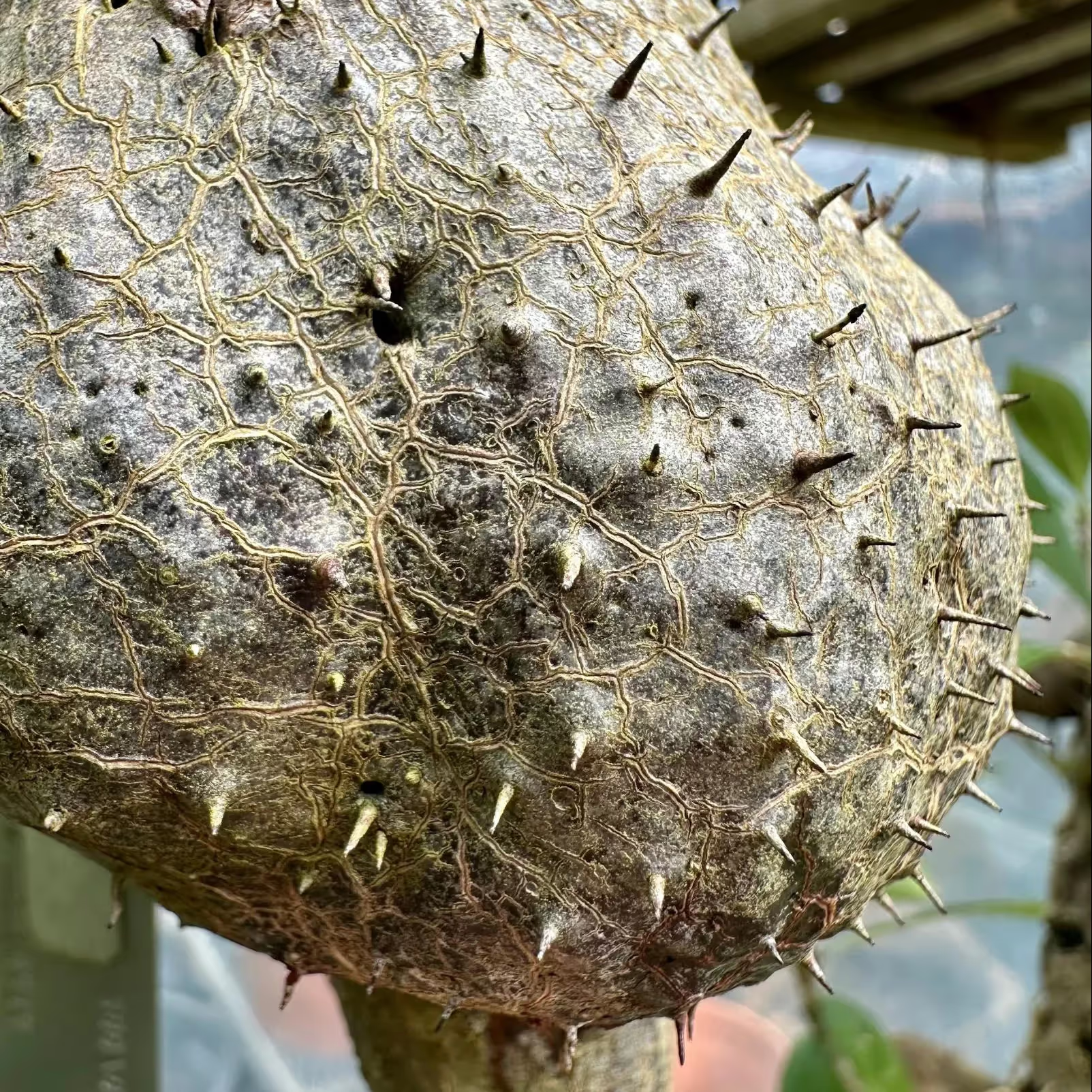
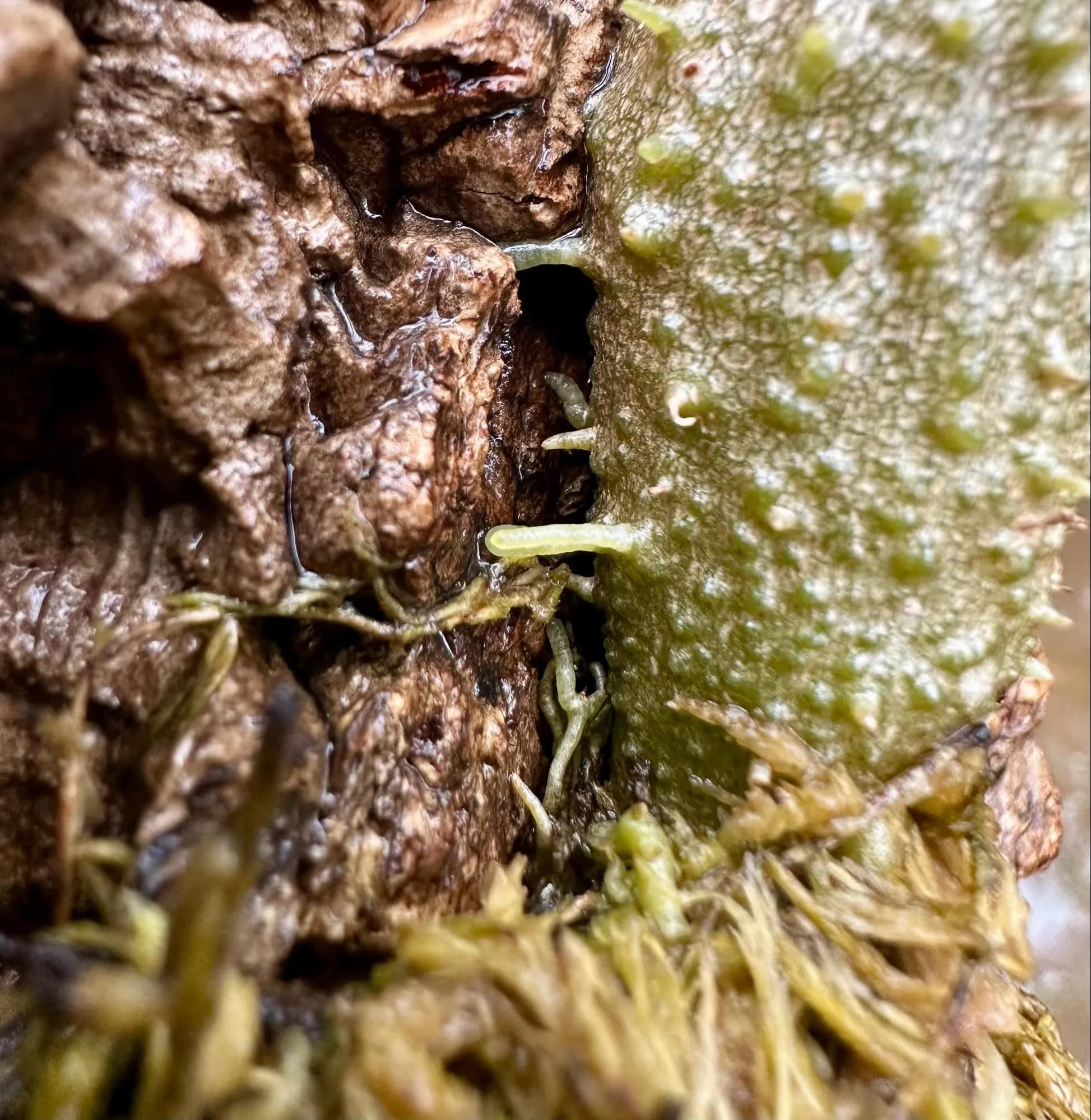
Whereas the thick caudiciform stems so prized in succulents are generally understood to be used for water and nutrient storage to survive extended periods of lack, the caudices of ant plants are largely hollow, complexly chambered labyrinths devoted to the preservation of their close symbionts - ants. Botanically speaking, the caudices of ant plants are enlarged tubers formed from the hypocotyl, the part of a seedling between its first leaves, the cotyledons, and its first root, the radicle. Unlike cacti spines which are modified leaves, the spines often seen festooning ant plant tubers are aborted roots (see Fig. 6). Advantageous as epiphytes are often forced to be, an ant plant tuber placed against a surface will grow roots and attach to the new substrate (see Fig. 7).
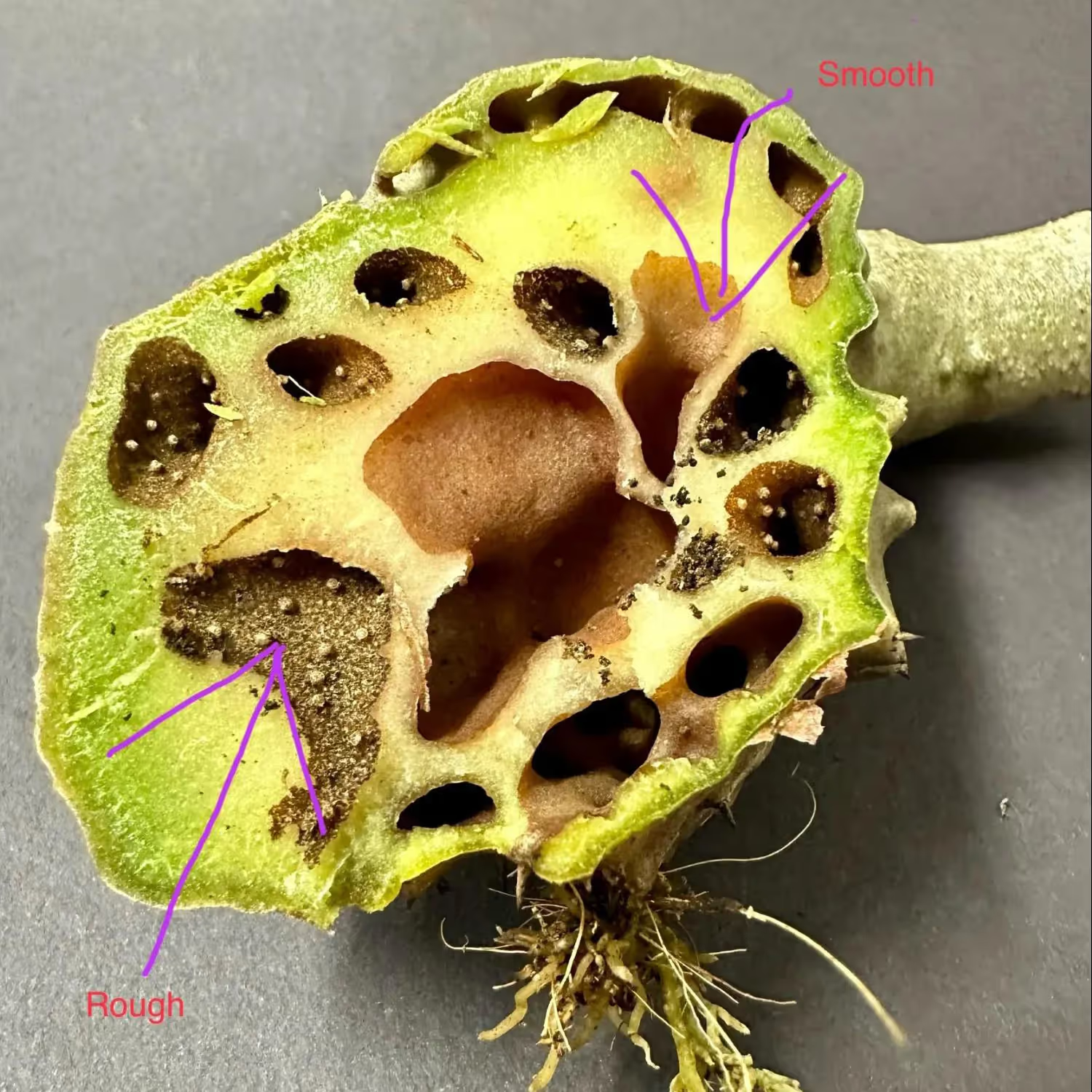
The interior structure of Rubiaceous ant plants differ by genus and further by species but follow a general trend of containing chambers of two types - one smooth and one covered in warts (see Figs. 8 & 9). Ants live in and rear their young in the smooth chambers while depositing excrement, dead prey, and deceased nestmates in the rough walled chambers where wart-like protuberances absorb nutrients from the decaying matter.
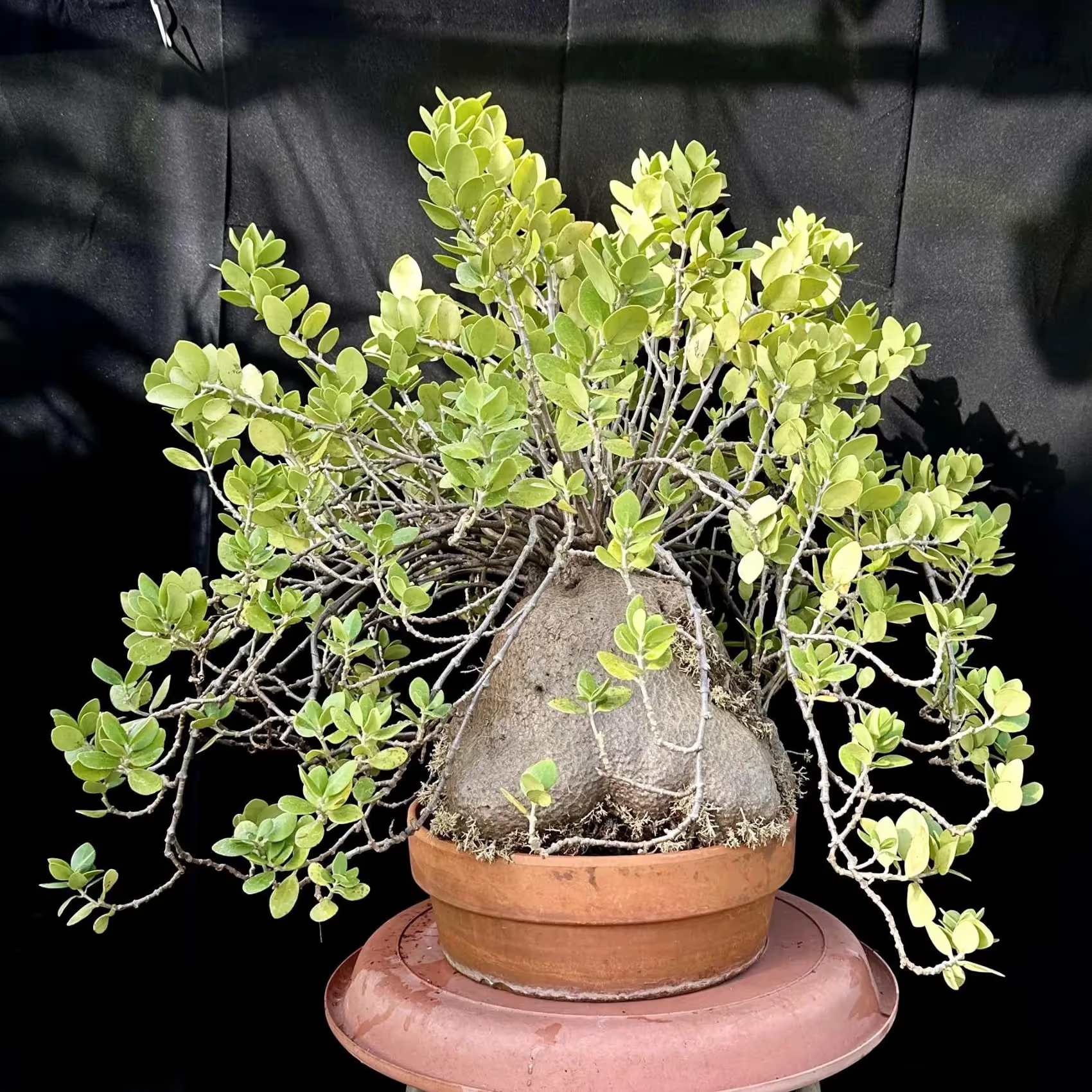
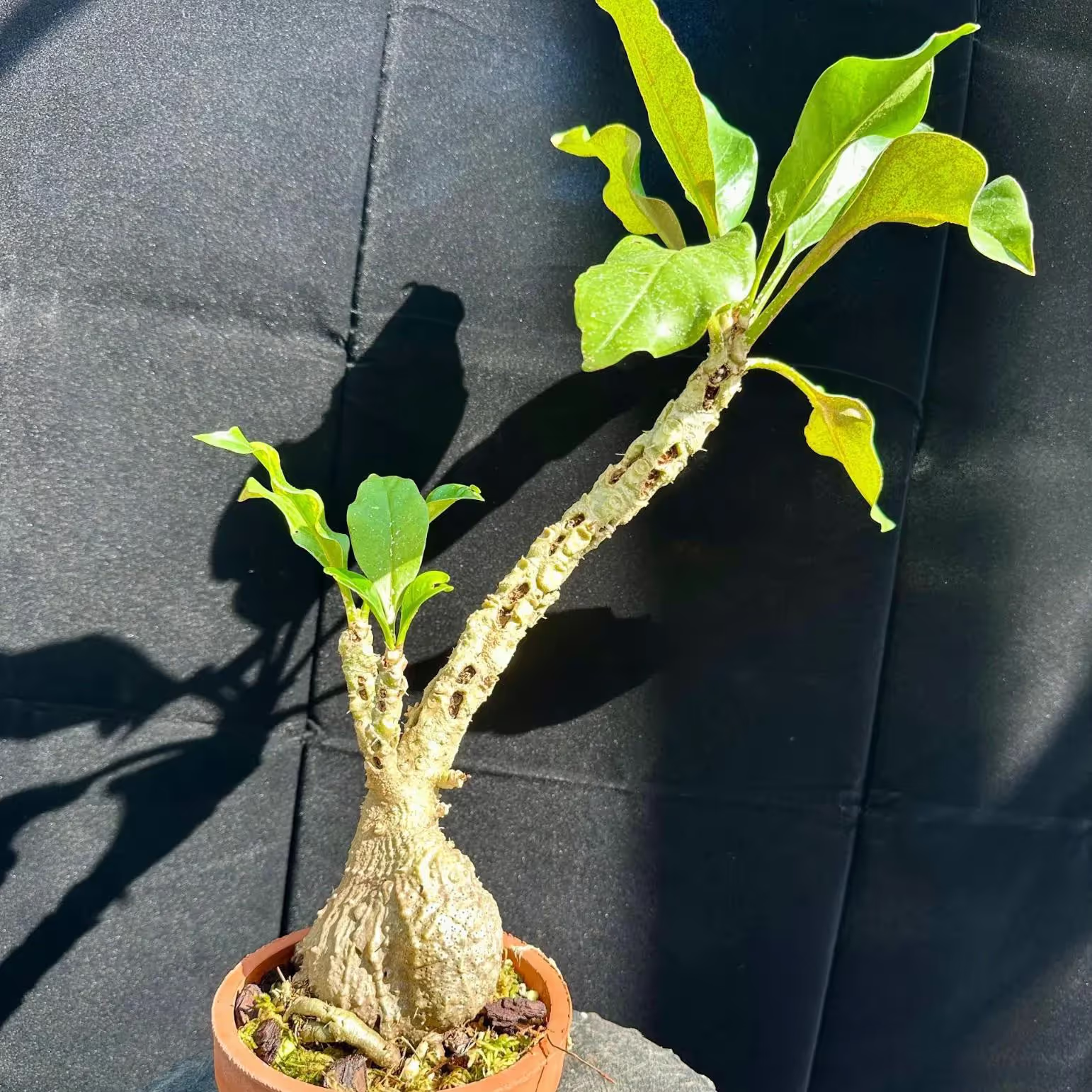
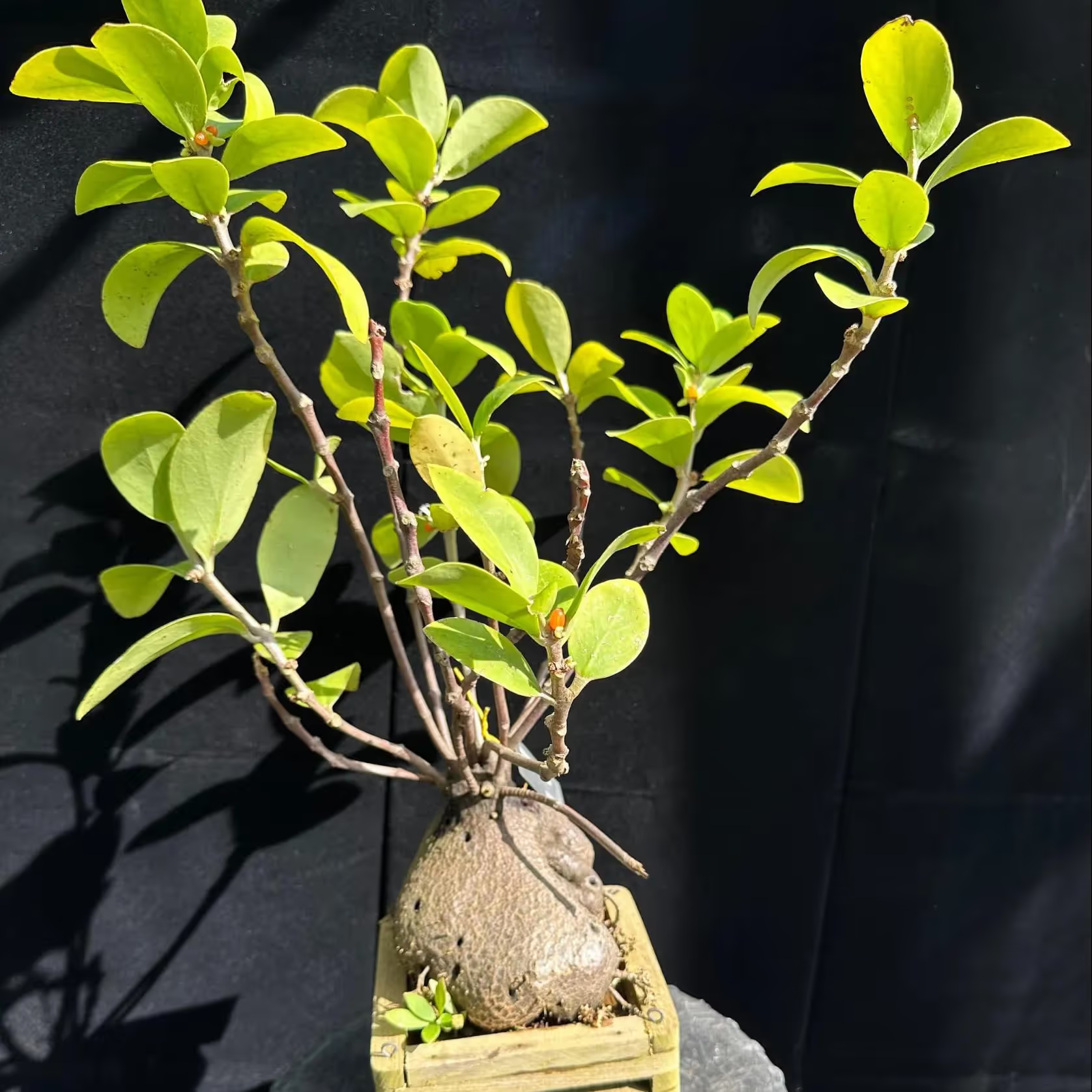
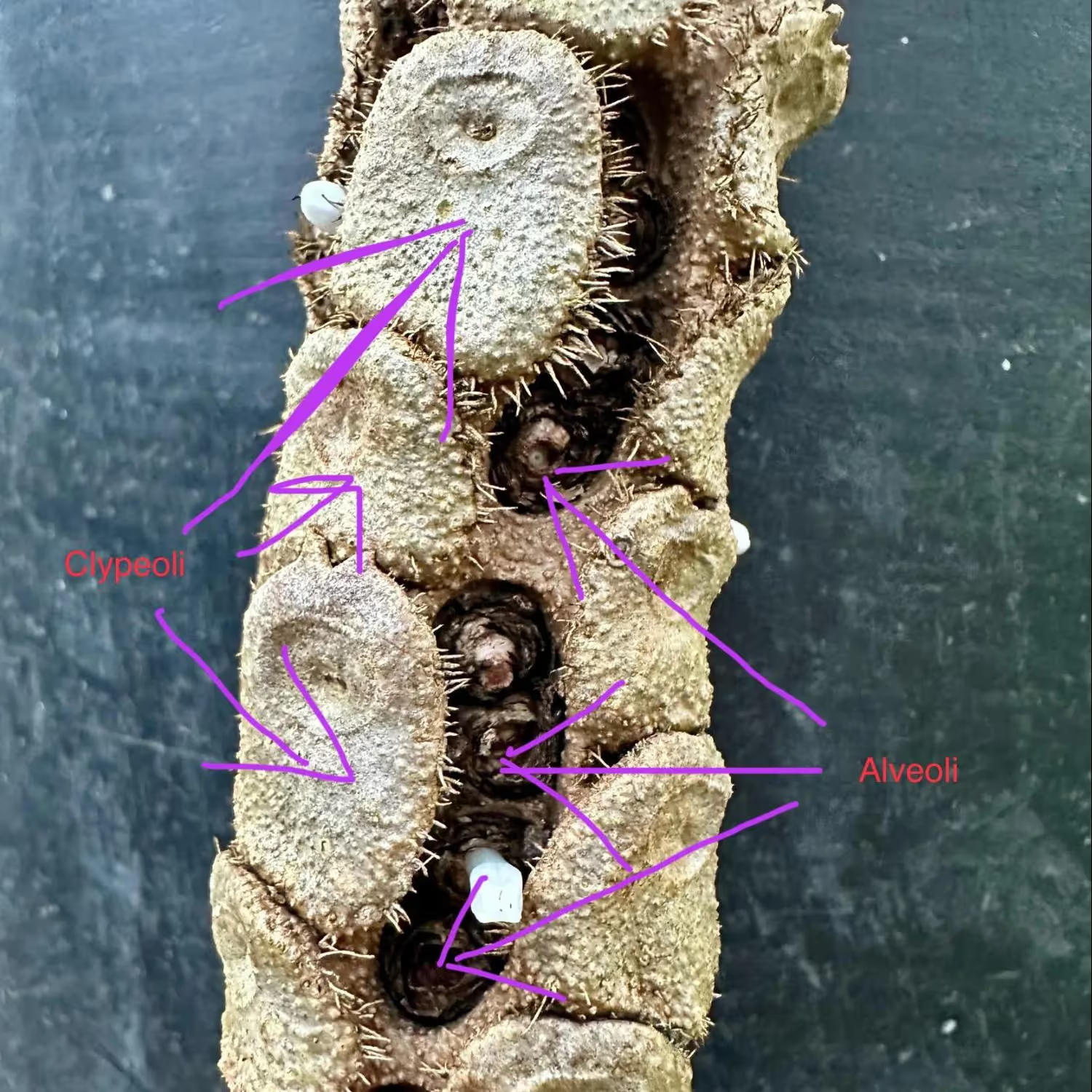
The stems of Hydnophytum and Squamellaria are thin whereas Myrmecodia stems are distinctly thick (compare Figs. 3 & 4) and covered with structures called alveoli and clypeoli (see Fig. 10). Alveoli are analogous to areoles in cacti and these depressions are the location where flowers and fruit emerge. Clypeoli are shield-like structures often rimmed with an array of spines. The overlapping spines protect passageways between the clypeoli that allow the ants to move safely along the stem.
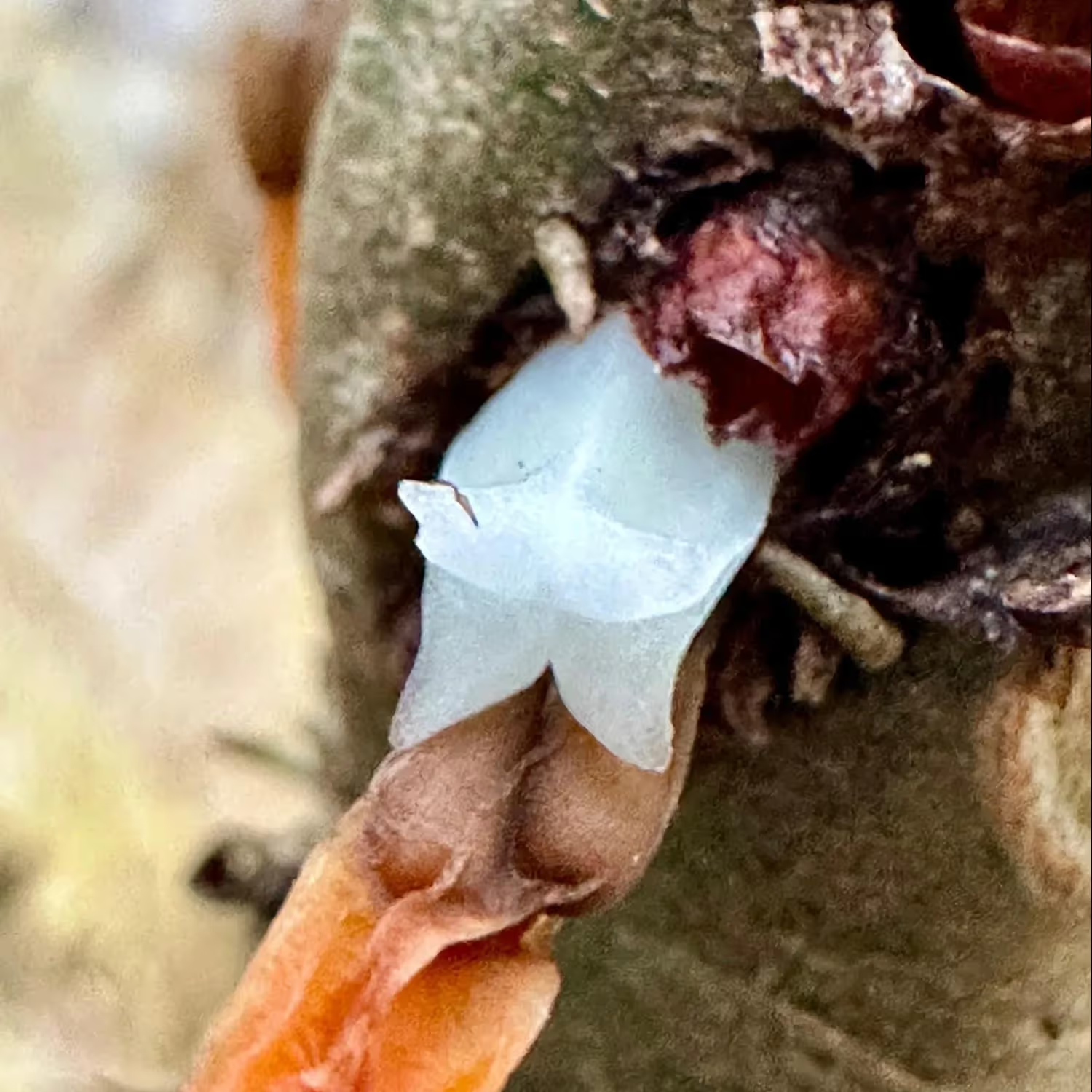
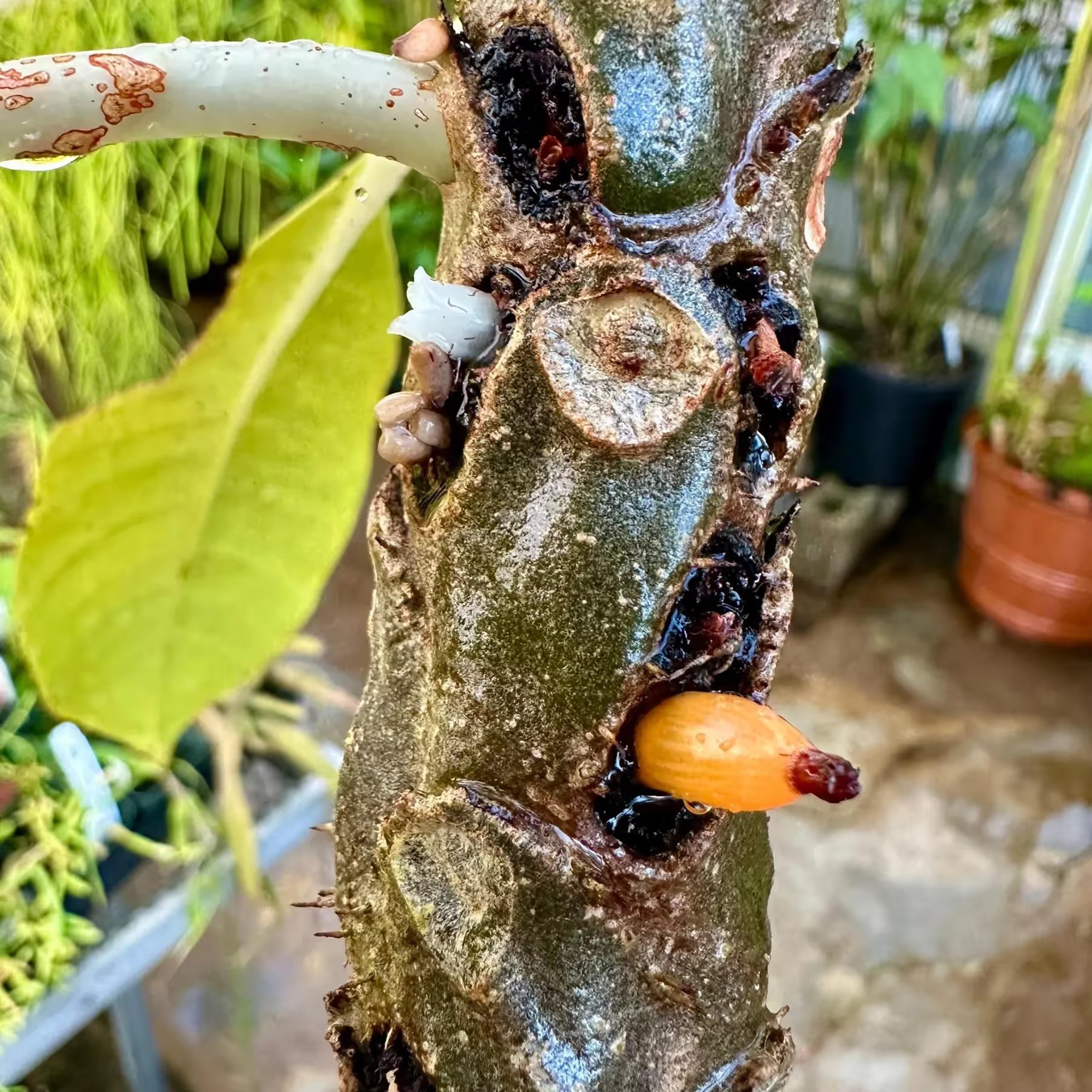
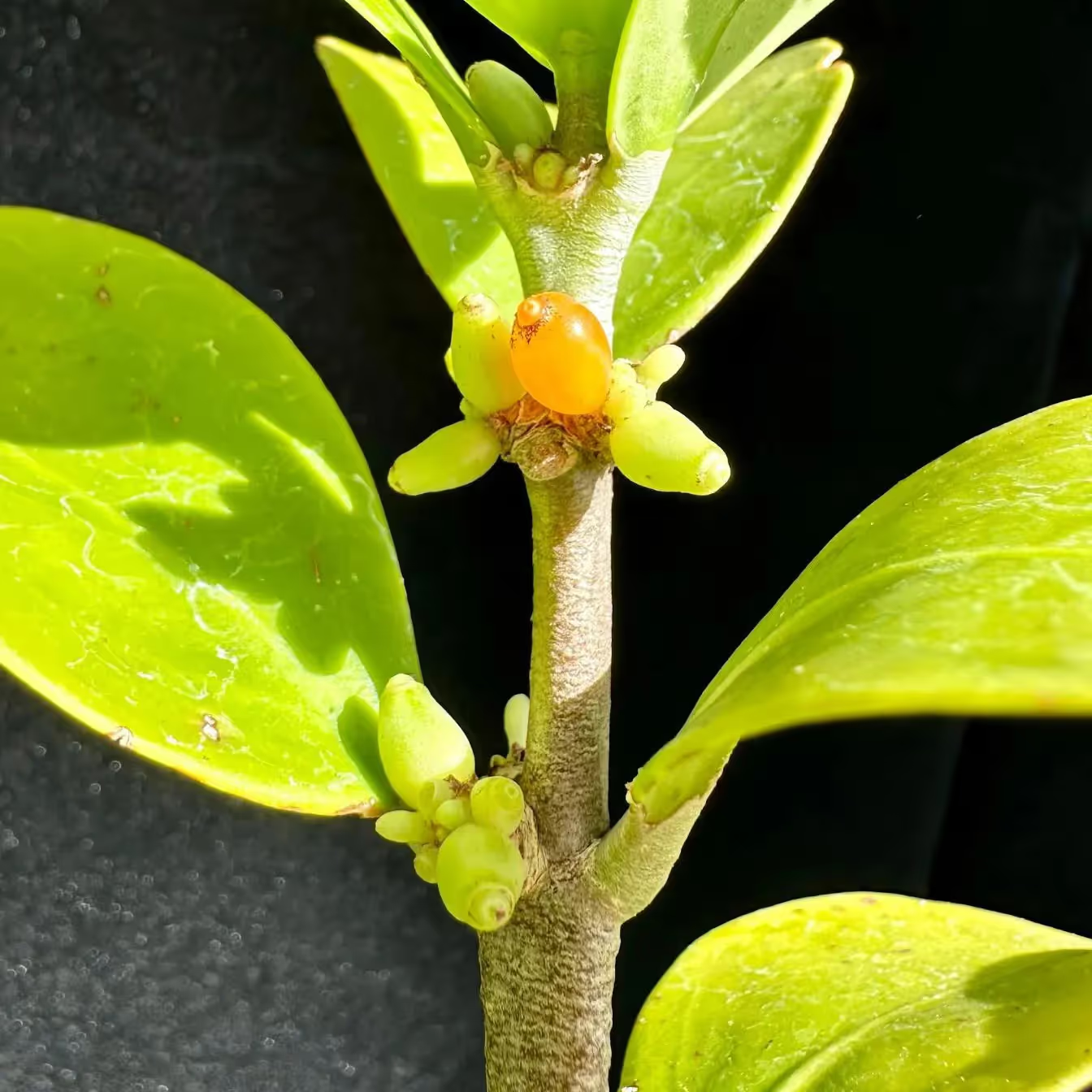
Part of what makes these plants so fascinating is the intensity of their relationship to the ants that live in and among them - there is little to be said about their form that does not relate to this relationship. At first glance the flowers of these plants appear to be rather small white tubes, perhaps the perfect size for an ant to enter and pollinate? Not the case in fact. Many flowers on ant plants are cleistogamous or nearly so, seemingly designed to prevent ants from entering the flower at least until self-pollination has already occurred (see Fig. 11). Many ant species coat themselves in an antibacterial substance called myrmicacin which helps prevent infectious outbreaks in the colony. Unfortunately for the ant plants myrmicacin is also destructive to pollen, thus the plants have evolved to keep the ants away from fertile flowers. Once pollination has occurred there is no longer a reason to keep the ants out and some hydnophyte flowers contain nectaries accessible once the corolla of a pollinated flower falls away. Ants are the primary vector for short distance seed dispersal, whereas birds are largely responsible for transporting the orange or pink fruit farther distances (see Figs. 12 & 13).
Cultural requirements
Treating this group of plants like caudiciform succulents is a surefire recipe for disaster. The role of the caudex is given over to the protection of its residents and the absorption of their generous nutrients rather than the storage of water in times of drought. As epiphytes they are accustomed to ample airflow, high humidity, and frequent access to moisture - all of which it would do the grower well to mimic in cultivation. I chose two locations where ant plants are native and looked at the local weather data - Madang, Papua New Guinea, and Cooktown, Australia. Average humidity ranged between 88-90% in Madang and 72-83% in Cooktown. Rainfall in Madang ranged from a low of 6 inches in August to a high of 15 inches in January. In Cooktown there were several months that had no rainfall, 0 inches in August and September, however the high humidity present year round almost certainly means that nightly dew will form on the epiphytic roots and provide moisture even in times of no rainfall from above.
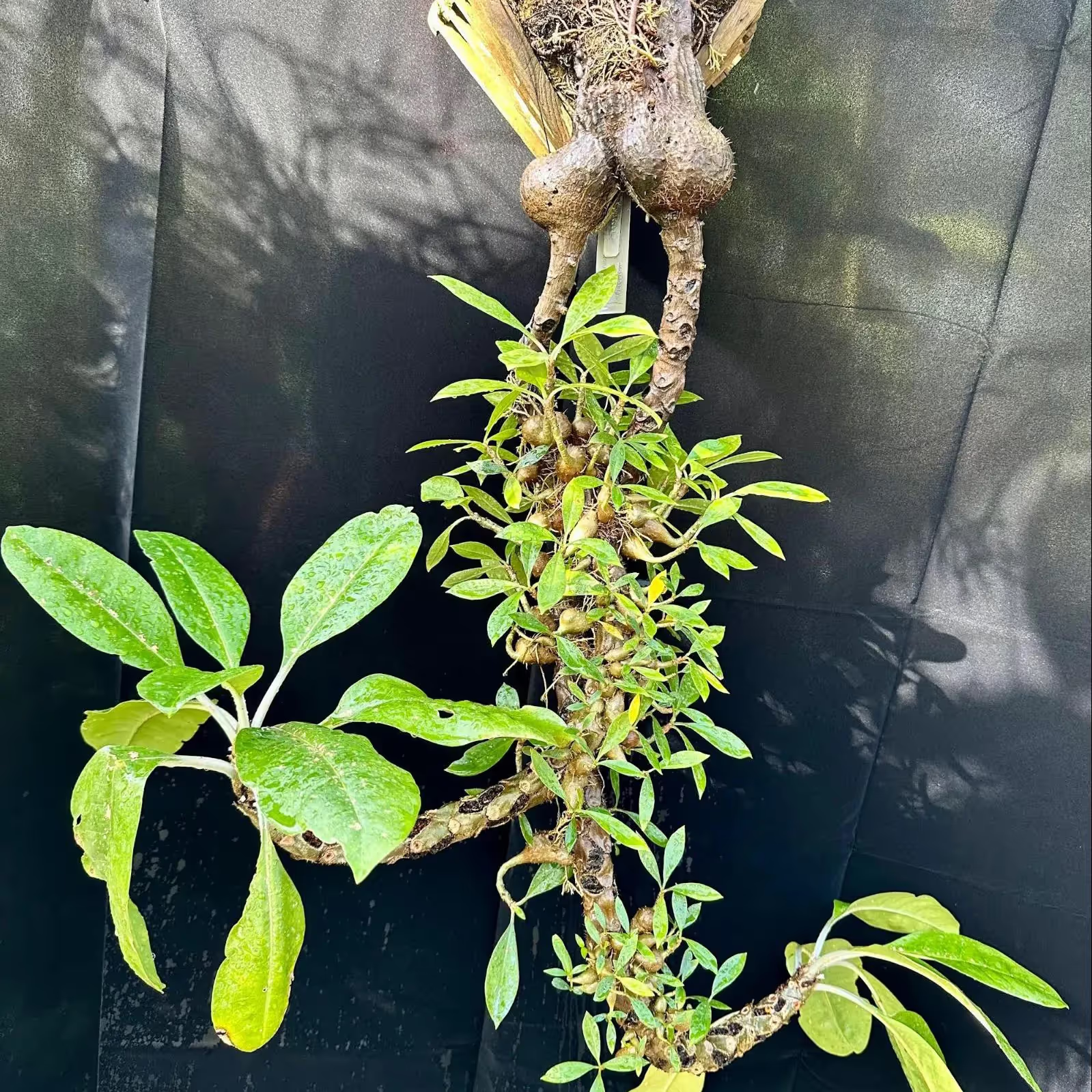
Ant plants can be grown in a number of epiphytic mixes that allow for both moisture retention and airflow. I have had the best results from a mix of long-fiber sphagnum moss, orchid bark, and large perlite. The mix should not be allowed to dry completely, nor should it remain soggy and wet. Adding a higher ratio of sphagnum moss will increase water retention while lowering the ratio will result in an airier mix that dries faster. In greenhouse culture or if ample humidity can be provided in the home ant plants are excellent candidates to be grown mounted on bark or tree fern slabs. They will develop into their most natural looking forms given the freedom to grow this way. Regular applications of dilute fertilizer will help provide the nutrients needed for optimal growth without having to turn your home or greenhouse into a museum of living ant farms.
References
Mitchell, A. (1986). The Enchanted Canopy: A Journey of Discovery to the Last Unexplored Frontier, the Roof of the World’s Rainforests. Macmillan Publishing Company
Rowe, D. (2022). Epiphytic Myrmecophytes: Bizarre Wonders of Nature (E-Book).
The Big Five: Notes on the first group of Hydnophytes that made it in the big city. Exotica Esoterica. Retrieved January-March 2025 from https://www.exoticaesoterica.com/magazine/the-big-five
Images in order as described here
- Myrmecodia tuberosa and Pachycentria glauca growing in a wooden basket.
- Hydnophytum moseleyanum in a 14 inch bulb pan.
- Myrmecodia tuberosa
- Hydnophytum formicarum
- Without birds to disperse fruit in cultivation seedlings will often germinate and grow directly on the mother plant.
- Spines, spines & spines.
- A recently mounted seedling begin to attach to its cork mount.
- Ants live in smooth-walled chambers and deposit feces, refuse, and dead nestmates in rough, wart-walled chambers.
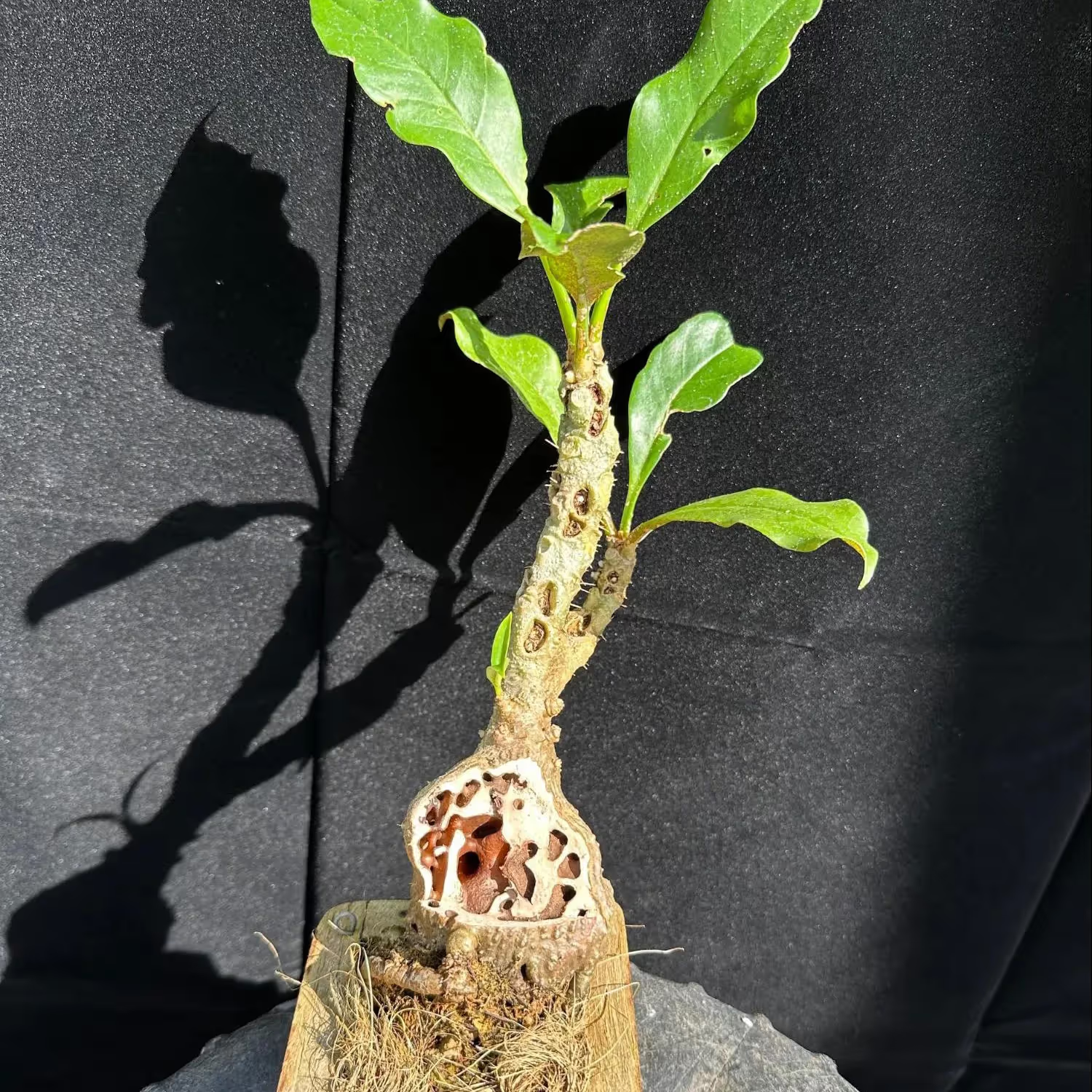
- Myrmecodia living happily after having its tuber cut to expose interior chambers.
- Clypeoli and alveoli on a Myrmecodia stem.
- Close up of Myrmecodia flower.
- Myrmecodia fruit.
- Hydnophytum fruit.