
















































La Punta Guaniquilla, PR
Limestone hillsides, mangrove swamps, epiphytes!
I visit my grandmother each year in Puerto Rico and spend some time with her in paradise. While the beaches are wonderful, I am a horticulturalist by trade and a naturalist by passion so I prefer to use my time exploring the flora of the region instead. So, when I took my grandmother to her favorite beach on the island, Playa Buye, I snuck off for an hour and a half to take a peak at this area. After just seeing a little, I knew I needed more. I left at 7 the next morning and spent all of the next day hiking and exploring this unique area. At points, my hiking routes were beyond sketchy. I balanced on large limestone boulders suspended in the air above a lagoon, and apparently angered bees that nest inside said limestone. I got stung repeatedly as I had to hunker in a fetal position and rapidly wave my sunhat around me until they relented. The jagged limestone tore up my hands and legs as I climbed. They totaled my already decaying shoes. Despite this, I was mind blown by this spot and will certainly visit it next year and hopefully many more times in the future.
Thanks to a comprehensive report from the Puerto Rican Department of Natural And Environmental Resources I familiarized myself with many of the endemic and native species going into this hike, which allowed me to notice more as I went along.
From the report
The natural area known as Punta Guaniquilla is located in the municipality of Cabo Rojo. It is considered a critical area for wildlife, as it is used by migratory birds and numerous species endemic, native and resident, some classified as endangered. In addition, the geomorphology of the place gives it a unique landscape value.
This 431 acre plot hosts around 172 native plant species, 7 of which are endemic. It is also located in the most arid region of the island which is classified as a dry subtropical life zone, with a temperature that ranges from around 77 - 80 F.
The avifauna
identified for the site consists of 81 species distributed as following: 24 migratory species, 37 resident species, 10 native species, 4 introduced species and 6 endemic species
Images in order as described here
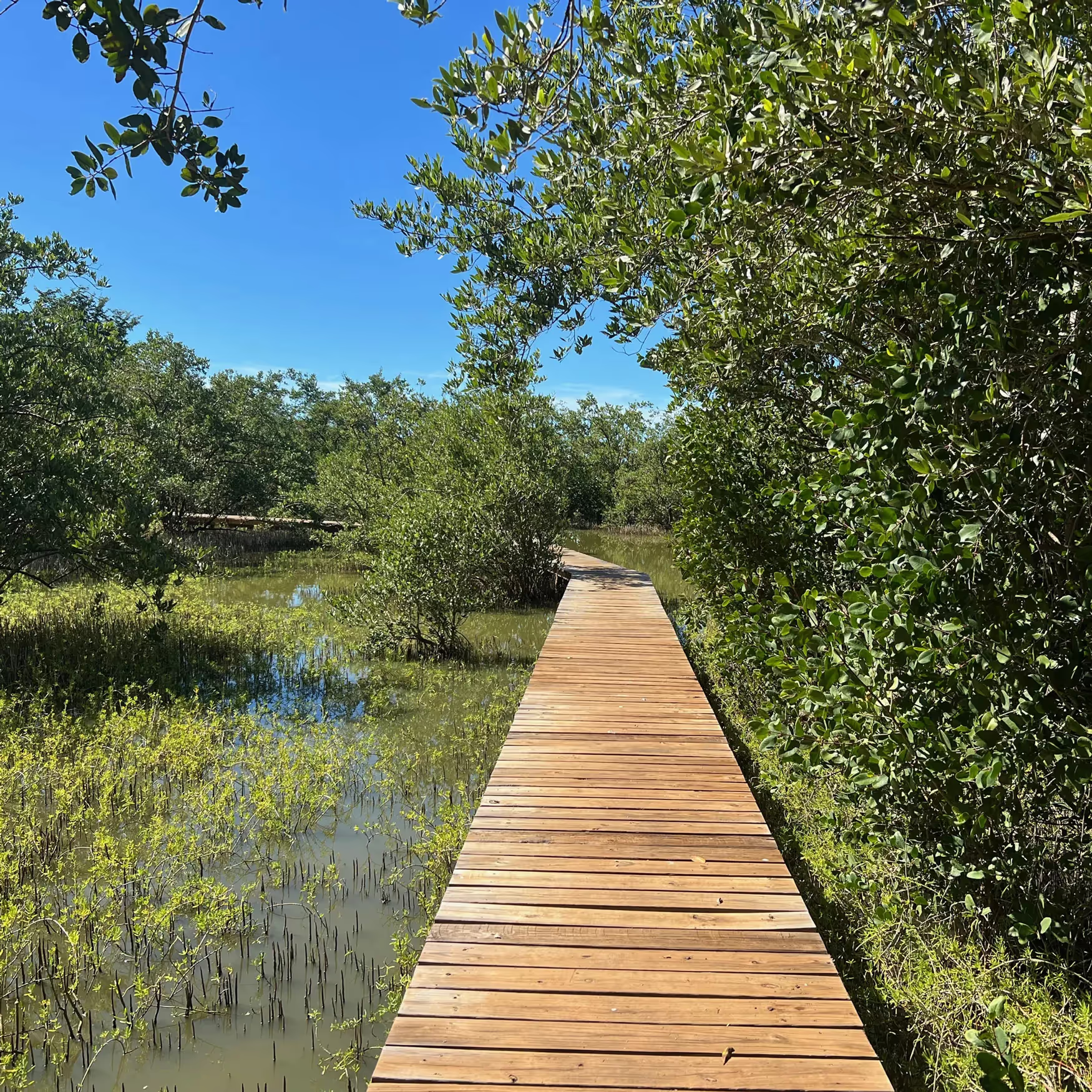
- First really interesting moment of the hike. A sudden break in the forest to reveal a boardwalk over a coastal lagoon. Avicennia germinans and the halophyte Batis maritima were dominant.
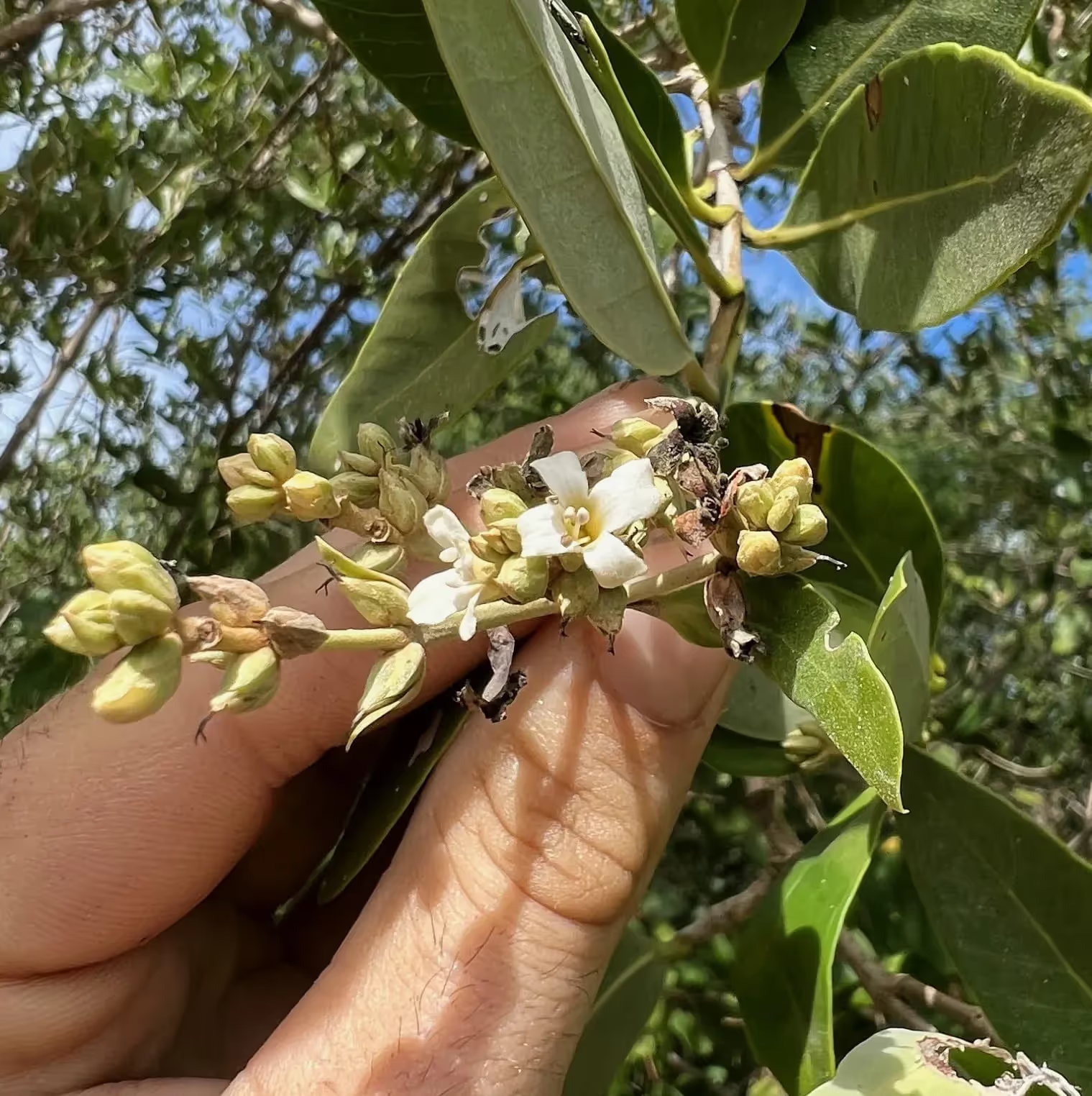
- Avicennia germinans
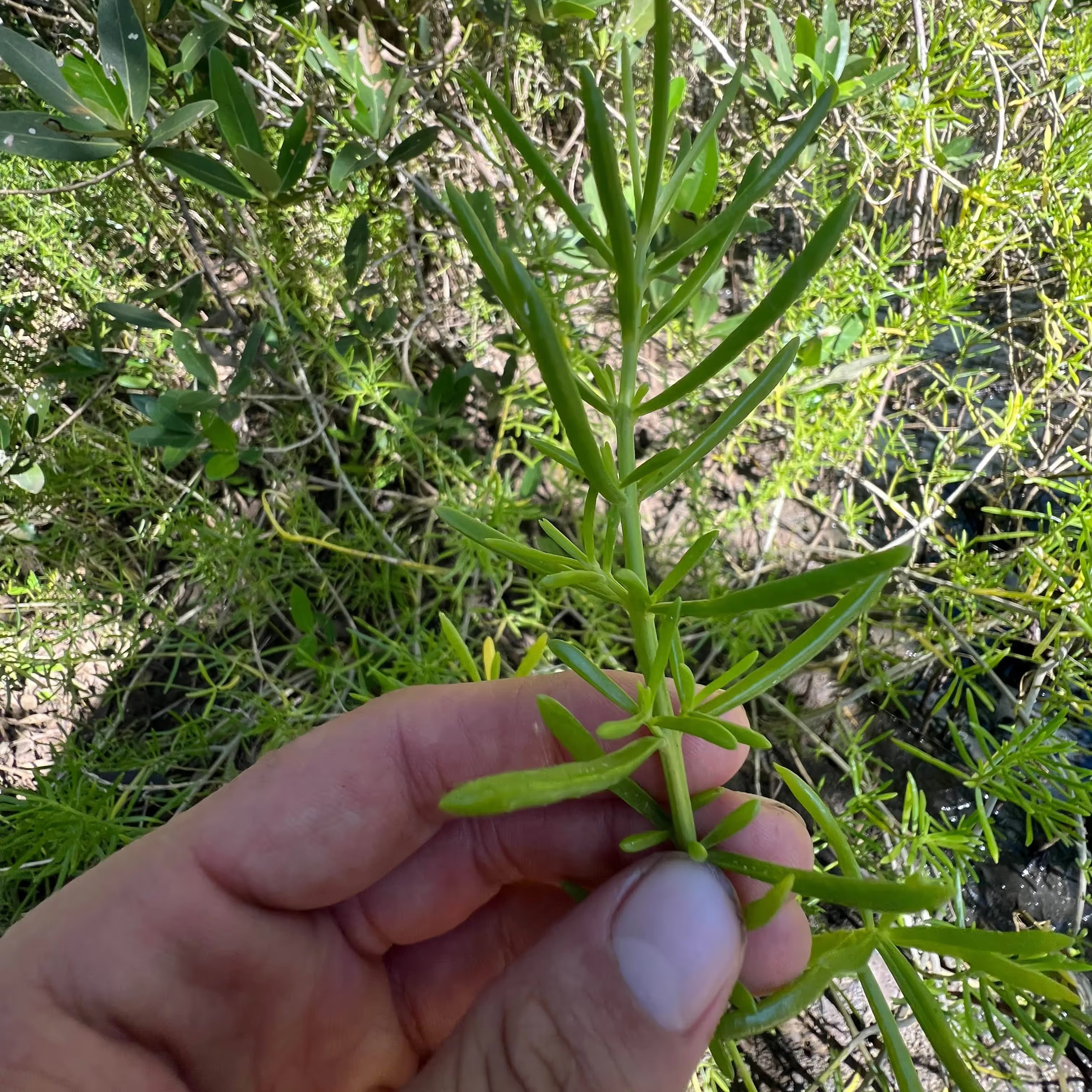
- Batis maritima
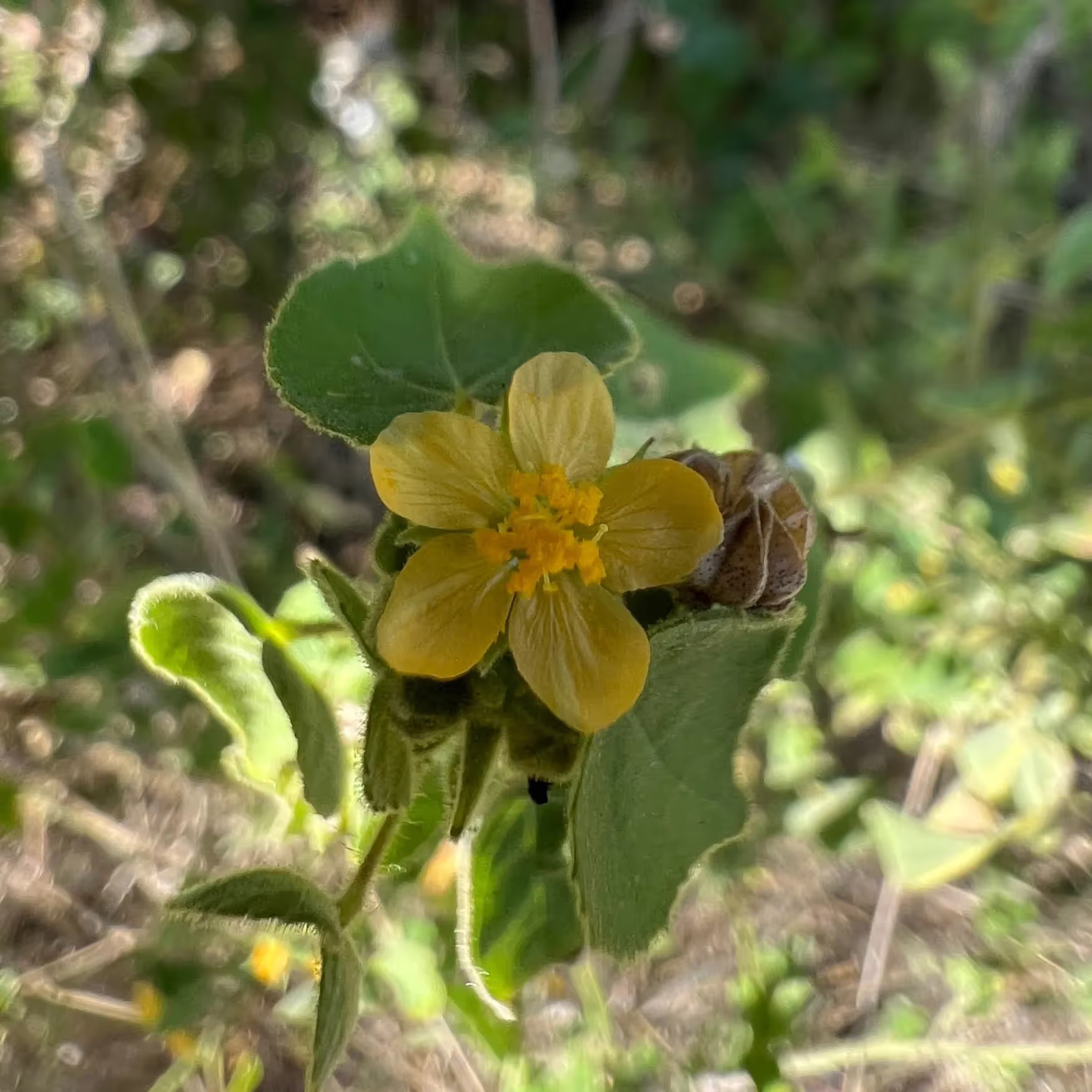
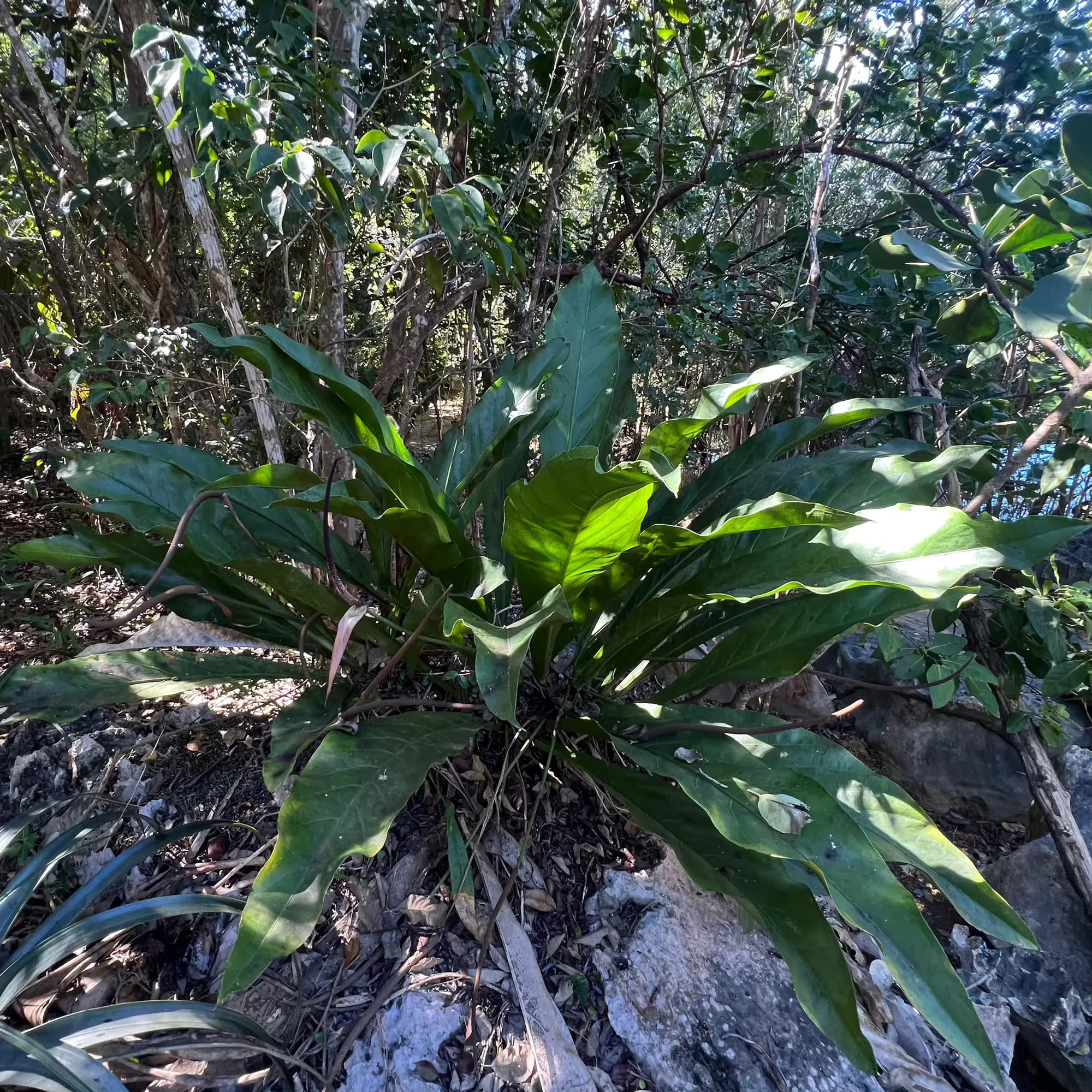
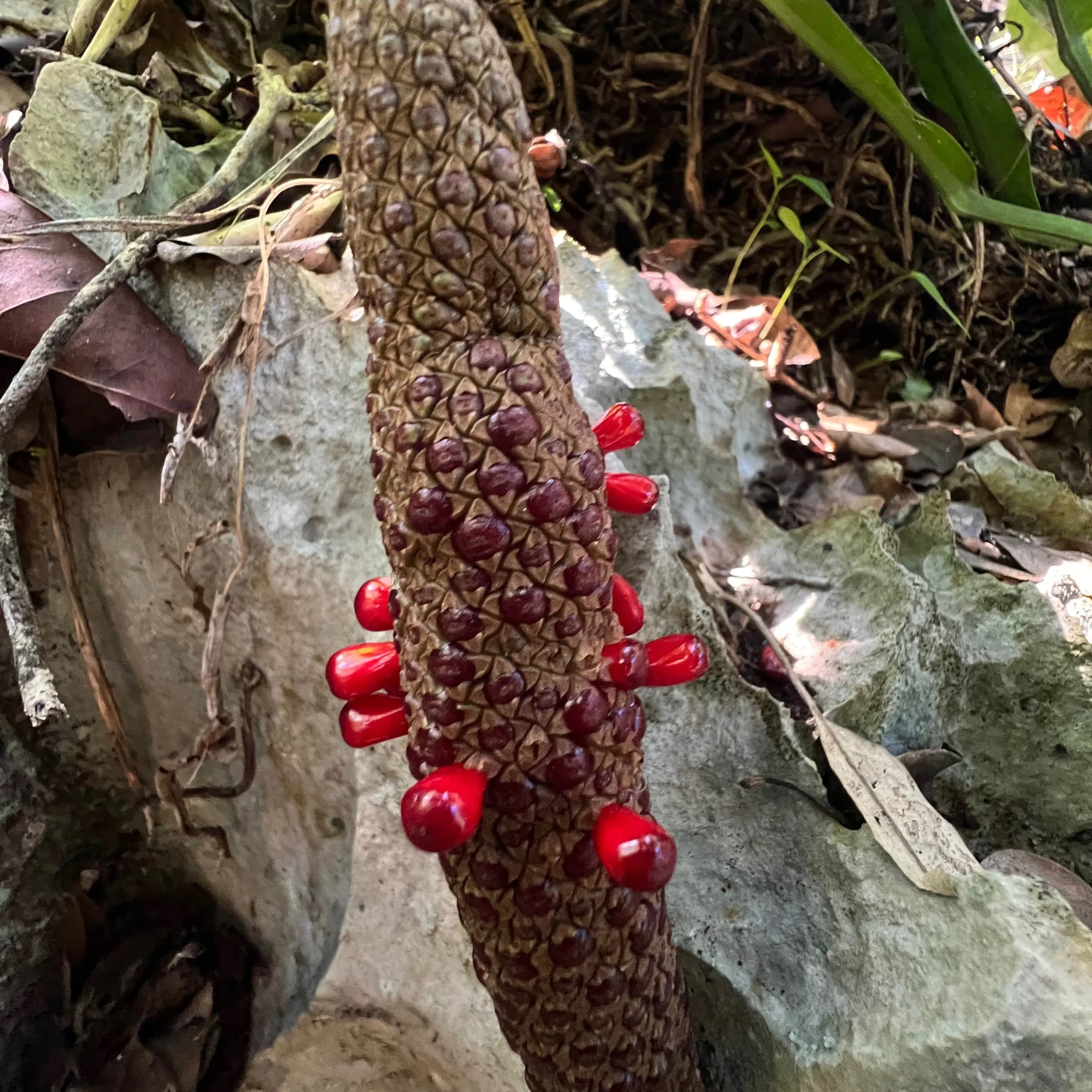
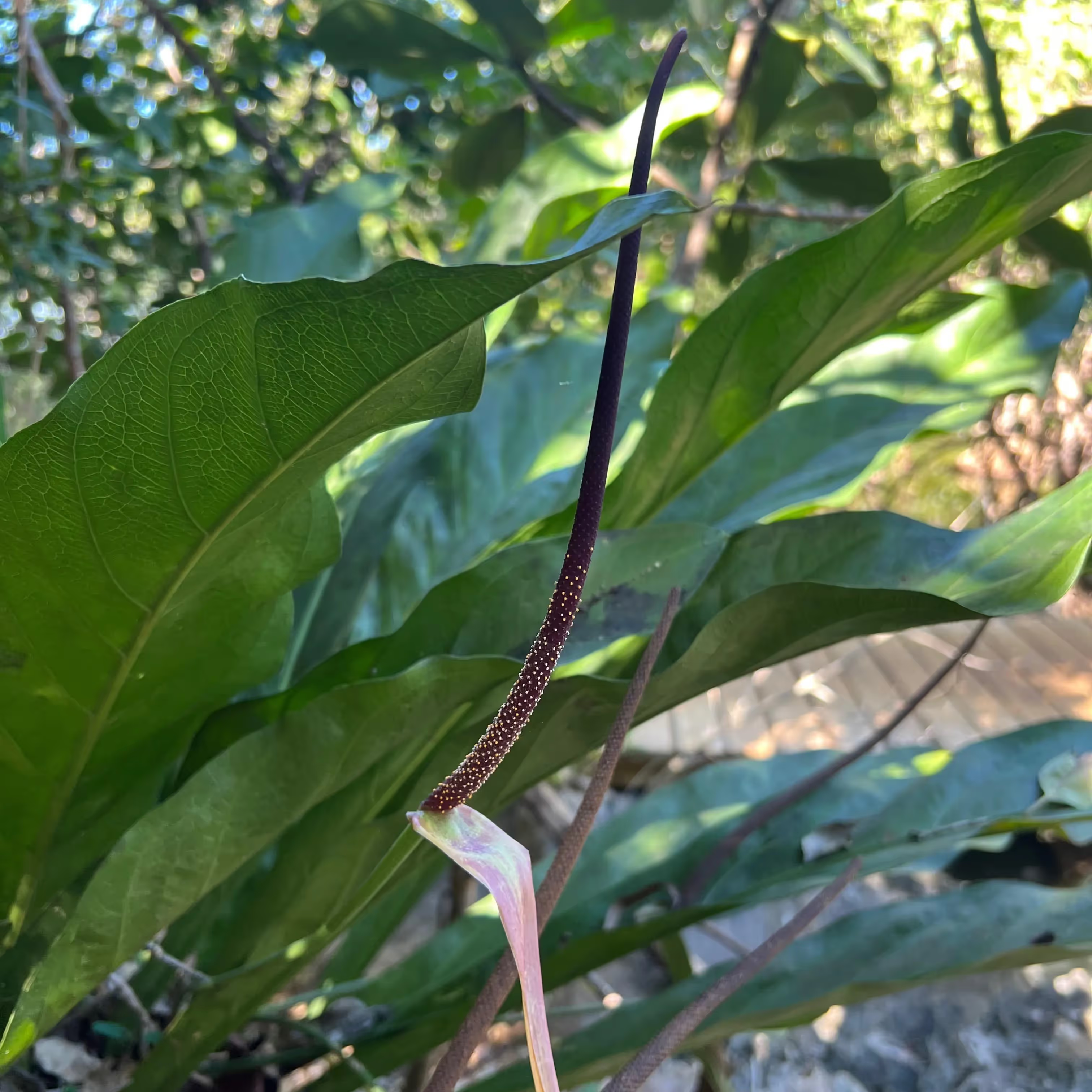
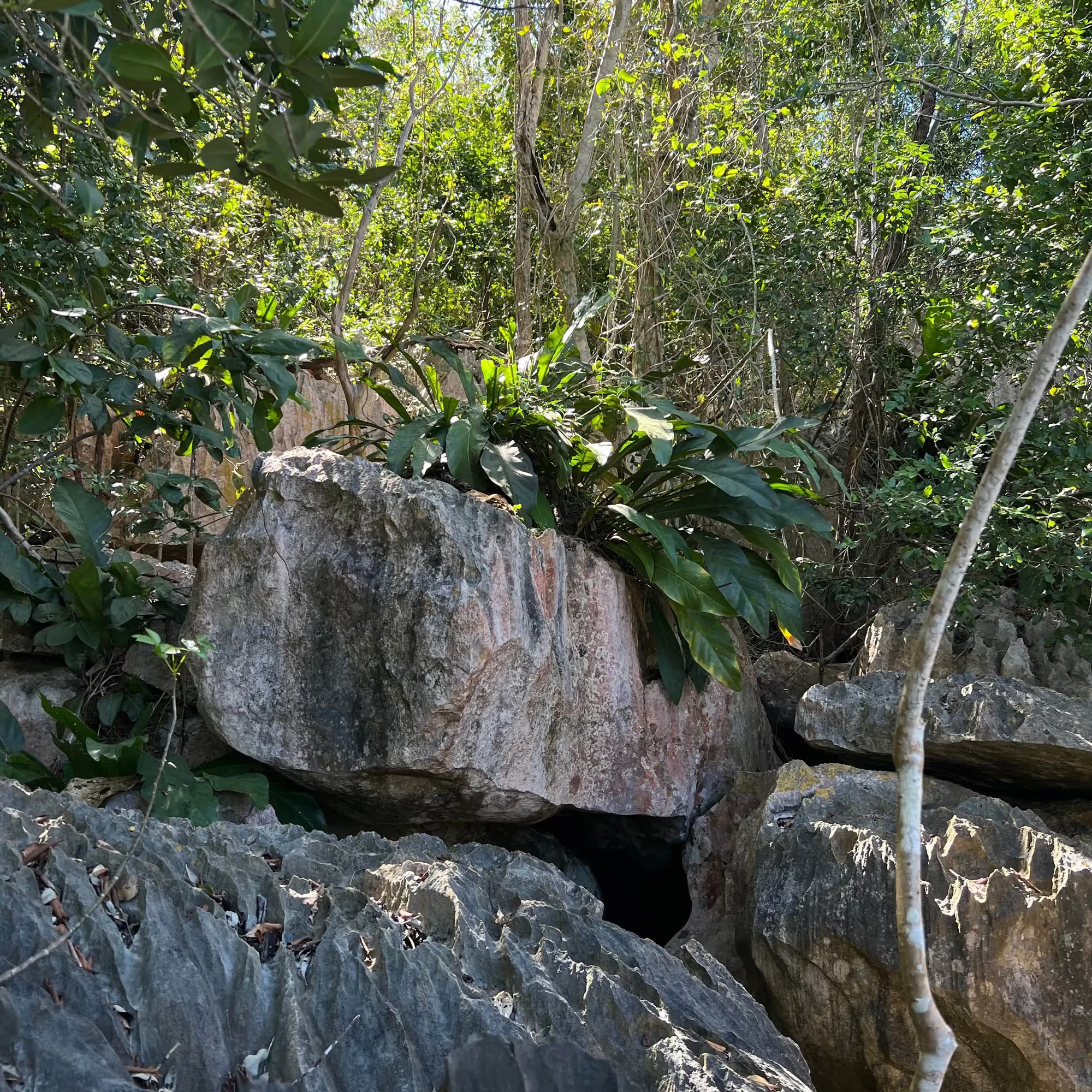
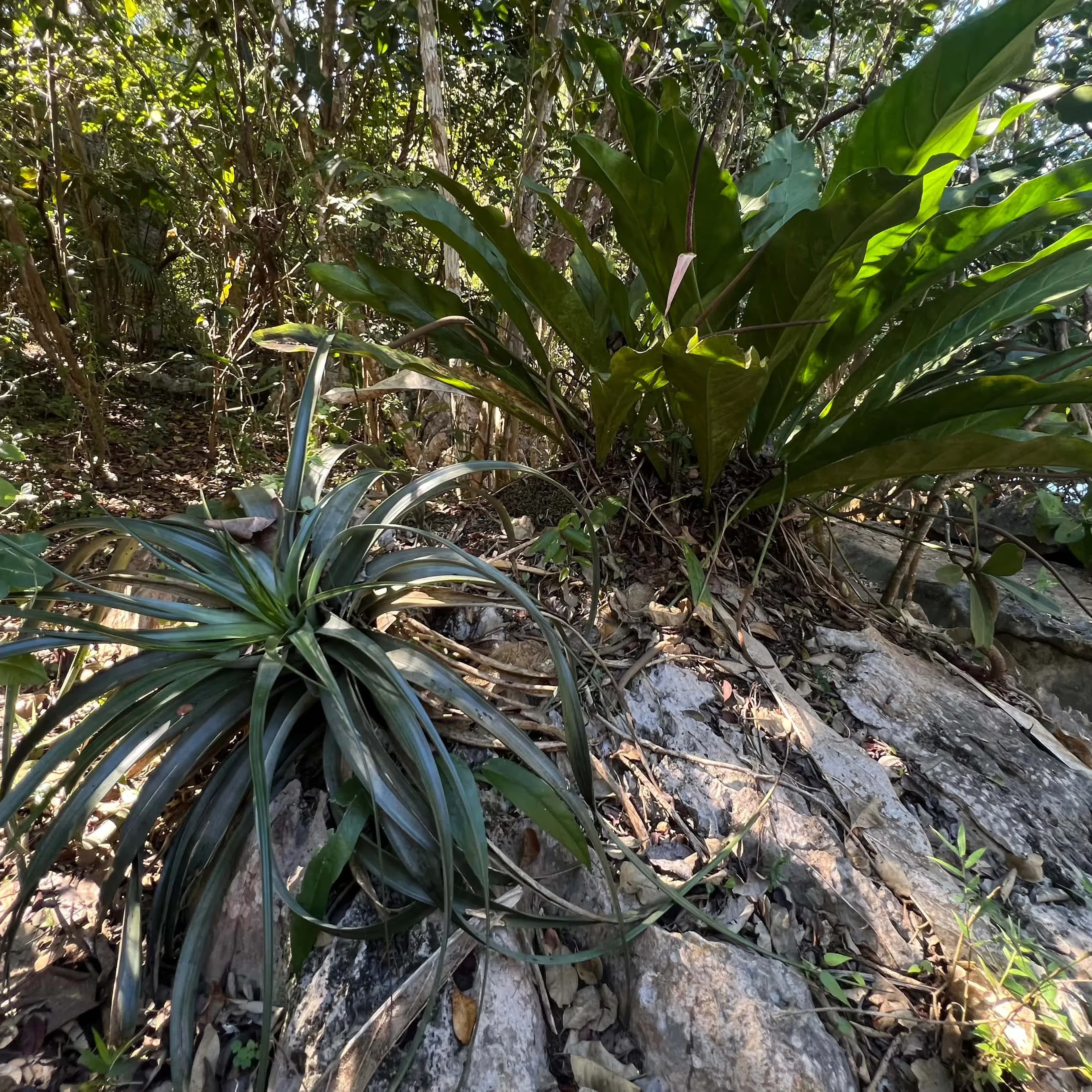
The subshrub, Abutilon viscosum (Viscid Mallow) lined the lagoon/margins. - Crossing the boardwalk led me to a beautiful forested limestone hillside. Immediately, I saw a gigantic specimen of Anthurium crenatum (Scalloped Laceleaf). This is an epiphytic aroid species I had been wanting to see in habitat for so long. As I began to look around, I was wowed as I kept seeing more and more. The habit of growing directly out of limestone boulders is so incredibly attractive. Lucky to have caught some in fruit & in flower.
- If you have a keen eye, you may have noticed Tillandsia utriculata (Giant Airplant) in the lefthand side of the second photo of A. crenatum. I had no idea they could get this large, and was surprised to see them happily sitting in limestone instead of nestled in a tree.
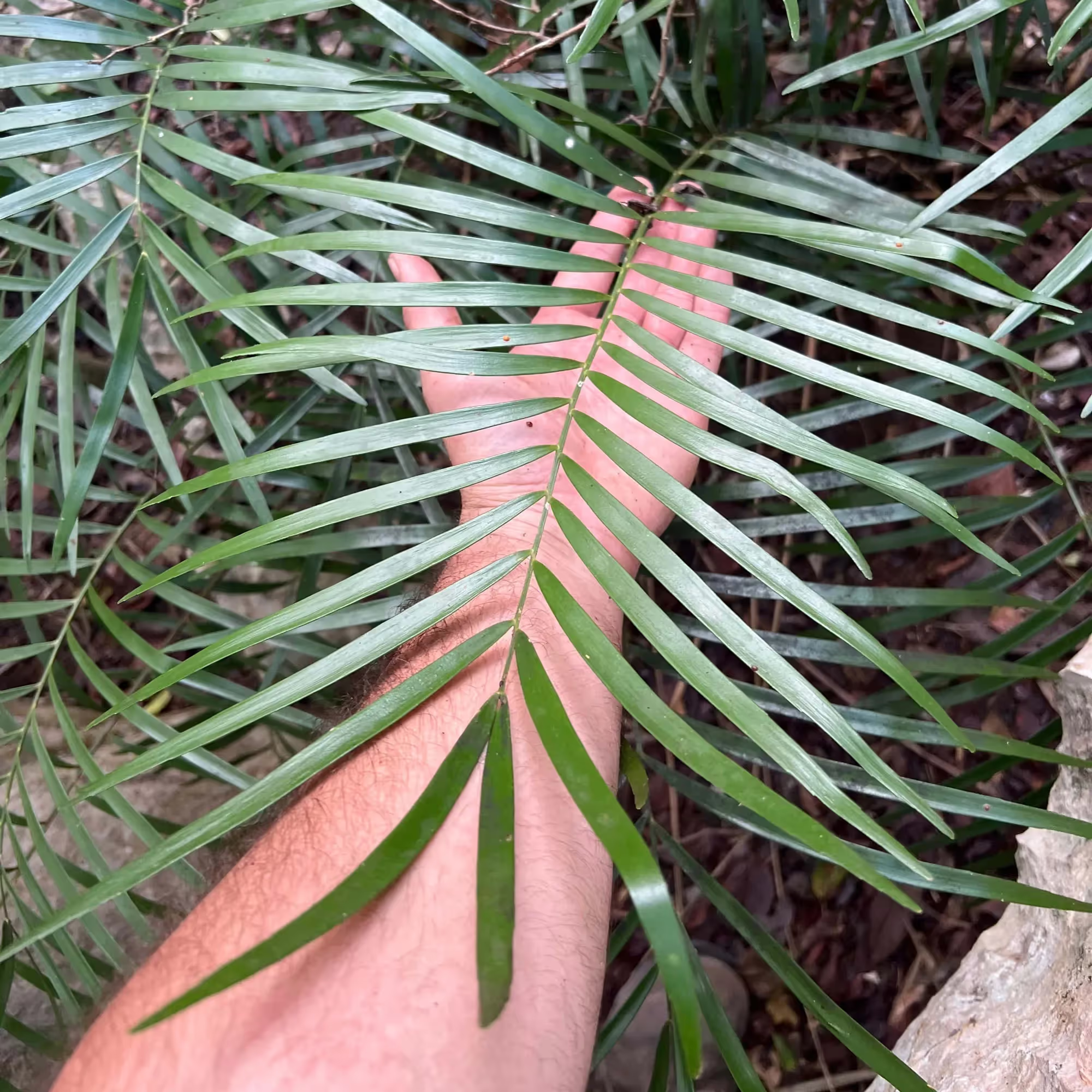
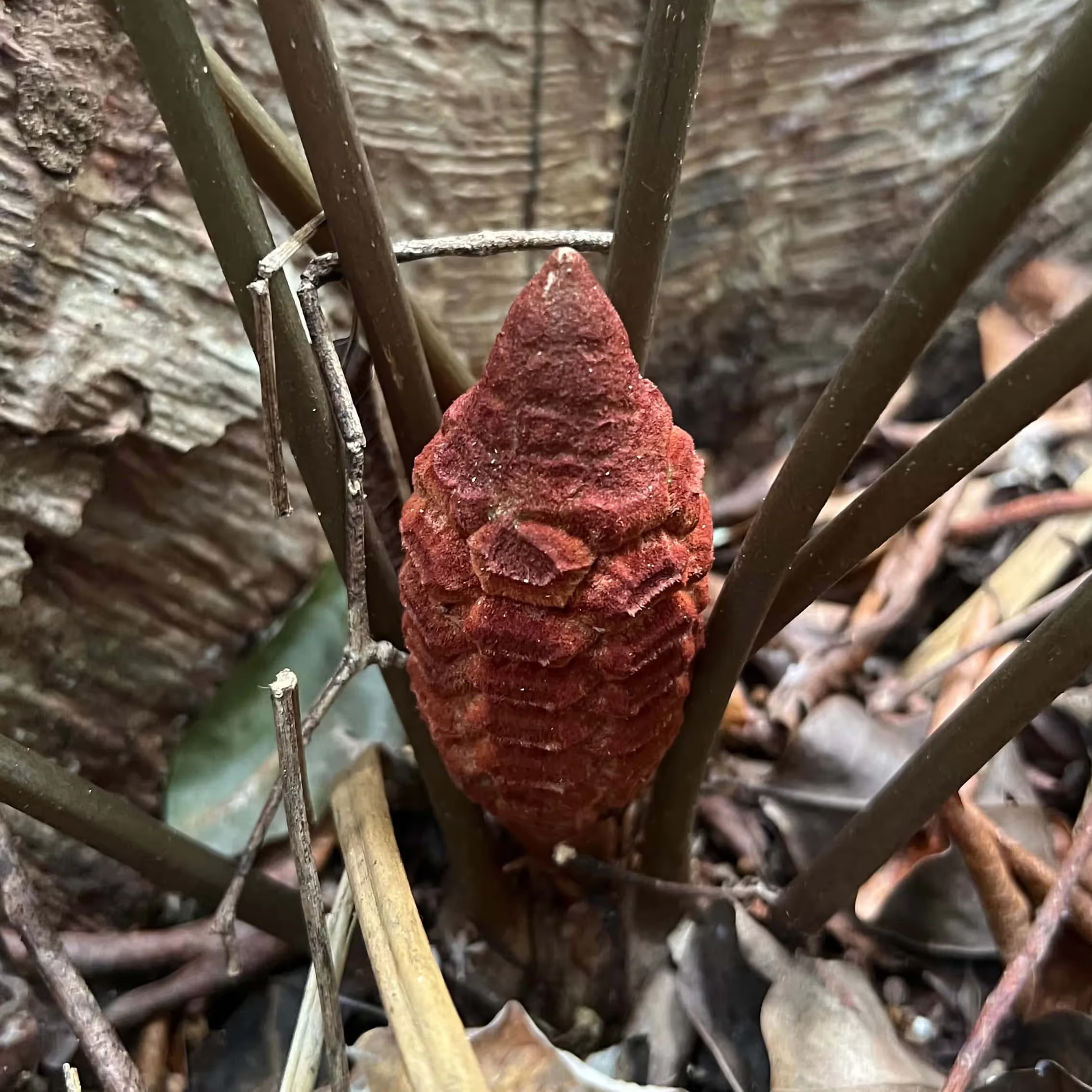
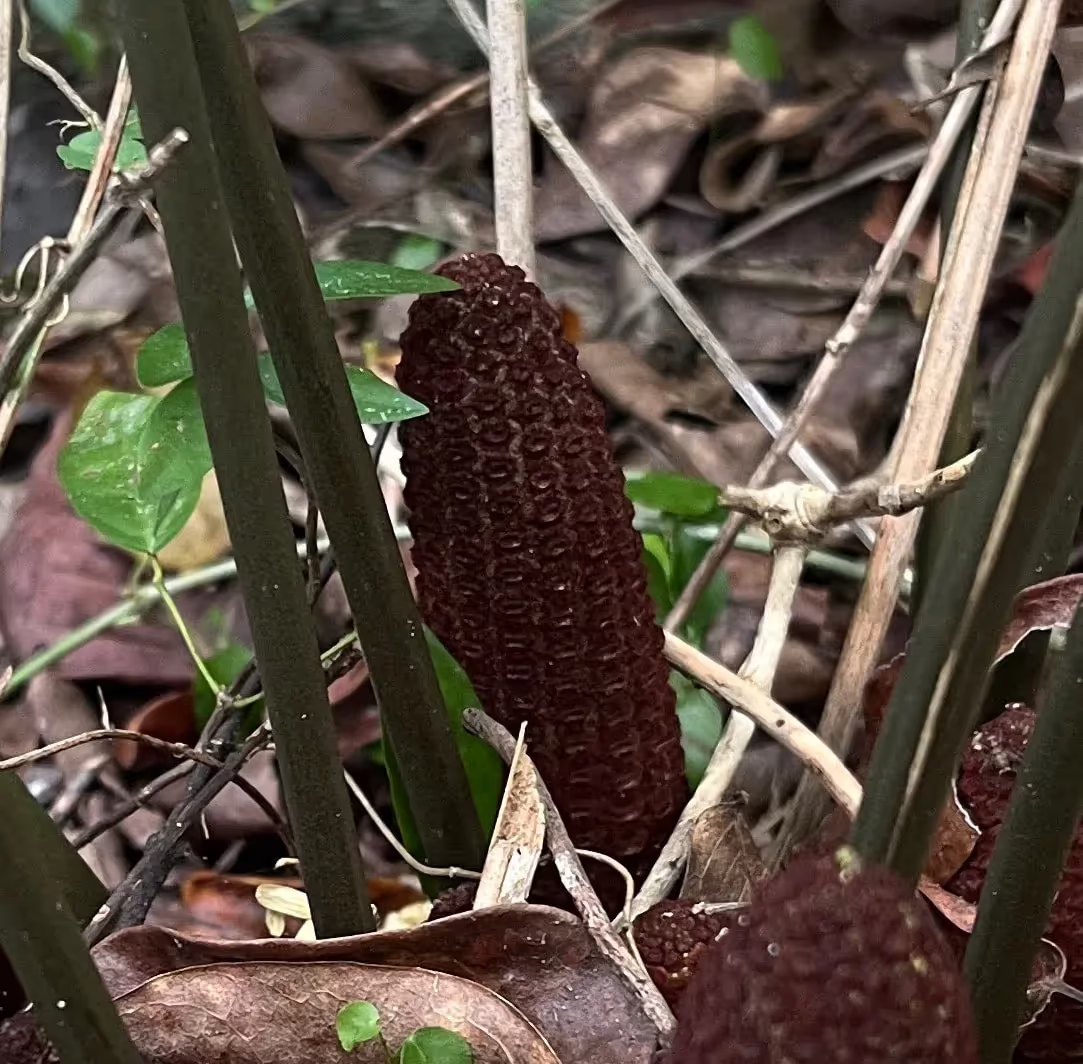
- As I began to very briefly push through the forest off of the path to probe and see if anything catches my eye, I suddenly came across one of those previously mentioned 7 endemic species, the Cycad, Zamia portoricensis (Marunguey).
- Female cone vs old male cone.
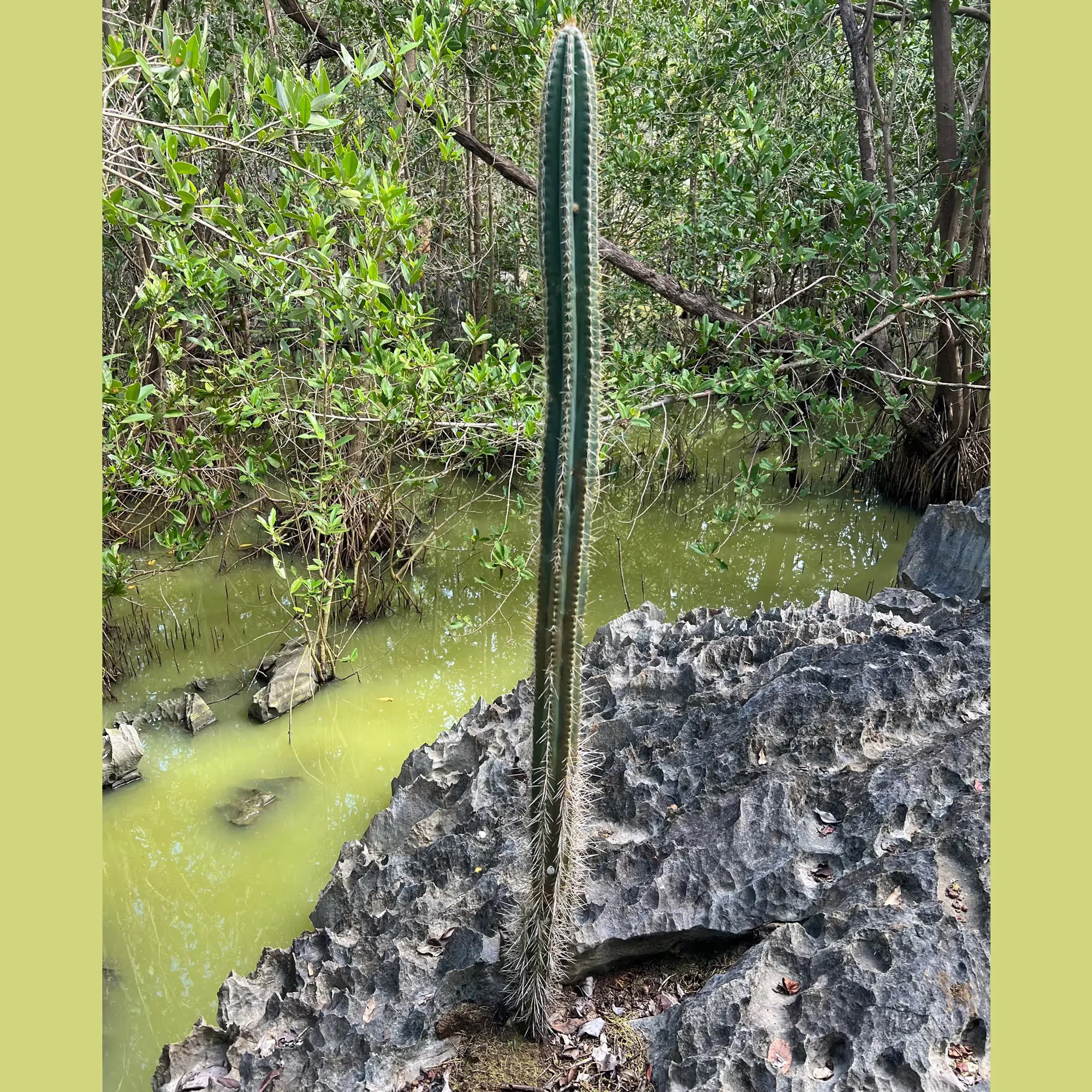
- Also in this same forested area on the margin of the lagoon perched on limestone was a slender tower of Pilosocereus armatus (Tree cactus).
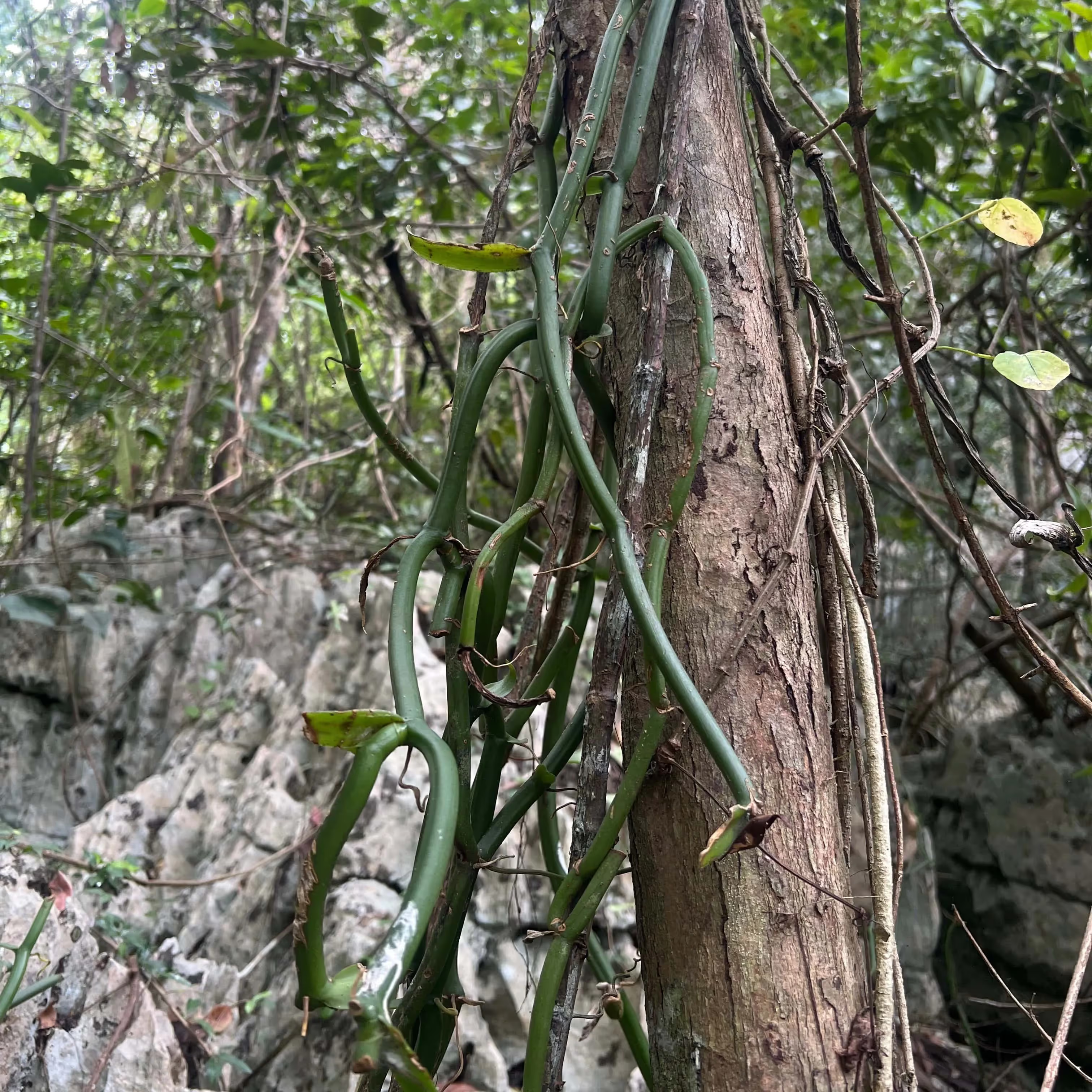
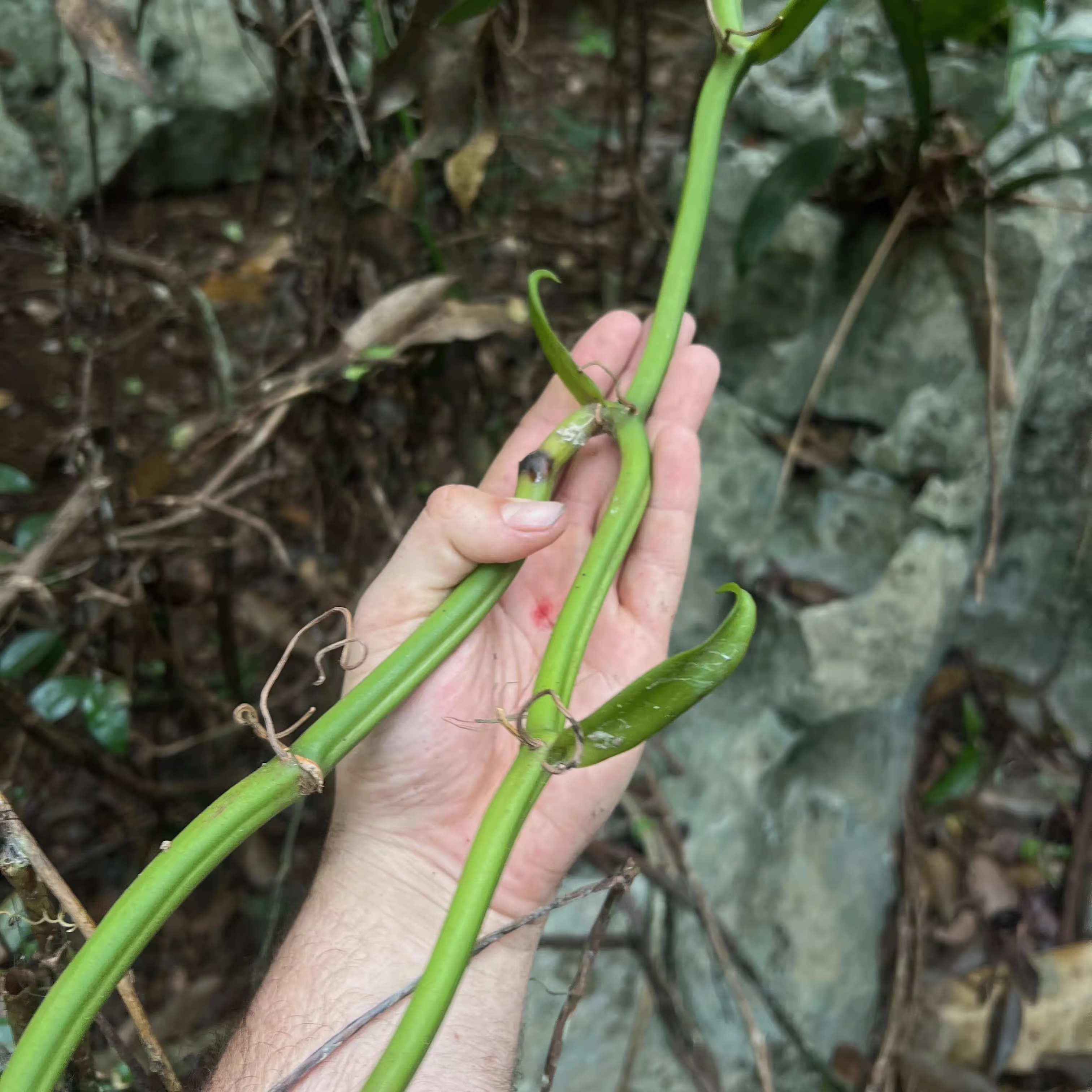
- Heading further inland through the limestone forest, I spotted a very distinctive green vine from afar, and as I came closer I realized it was a familiar friend, one of the “messier” orchids, Vanilla barbellata (Wormvine orchid).
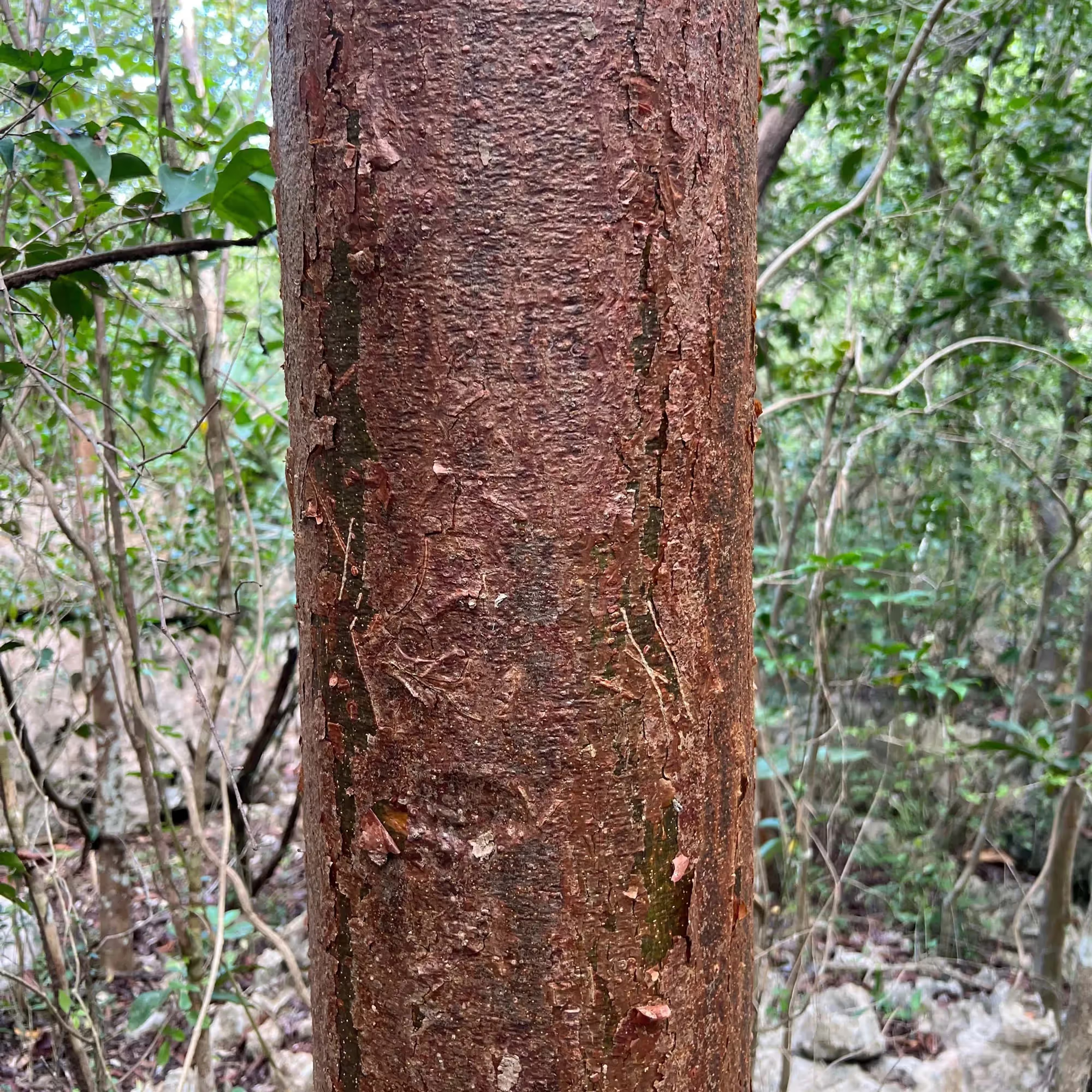
(Anthurium crenatum in background of second pic). - Attractive reddish bark of Bursera simaruba (Gumbo Limbo), a common species in this forest.
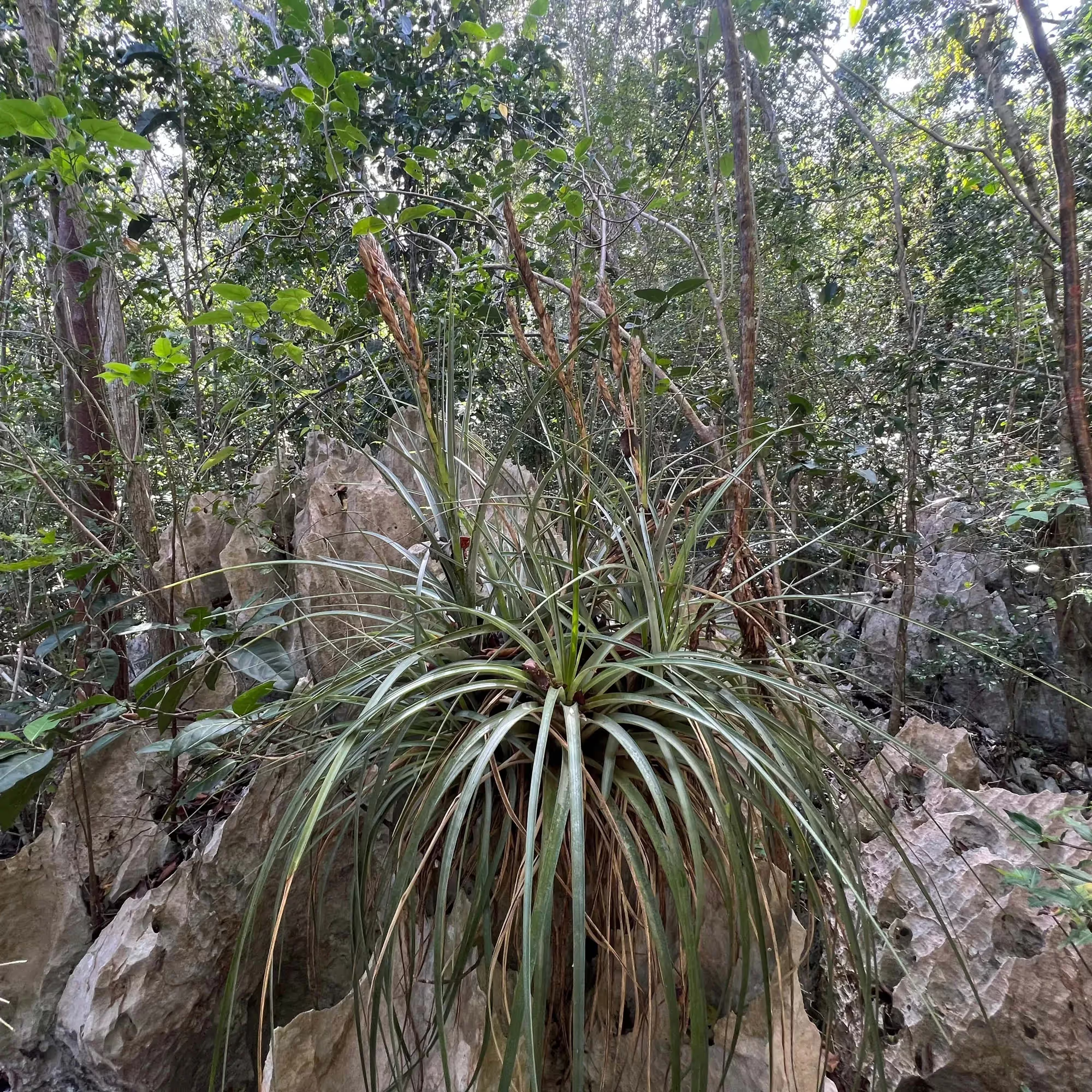
- As I continued to climb up the jagged limestone hillsides, I came upon an incredible scene of large limestone boulders with Tillandsia fasciculata (The Cardinal Airplant) perched prominently displaying its seed.
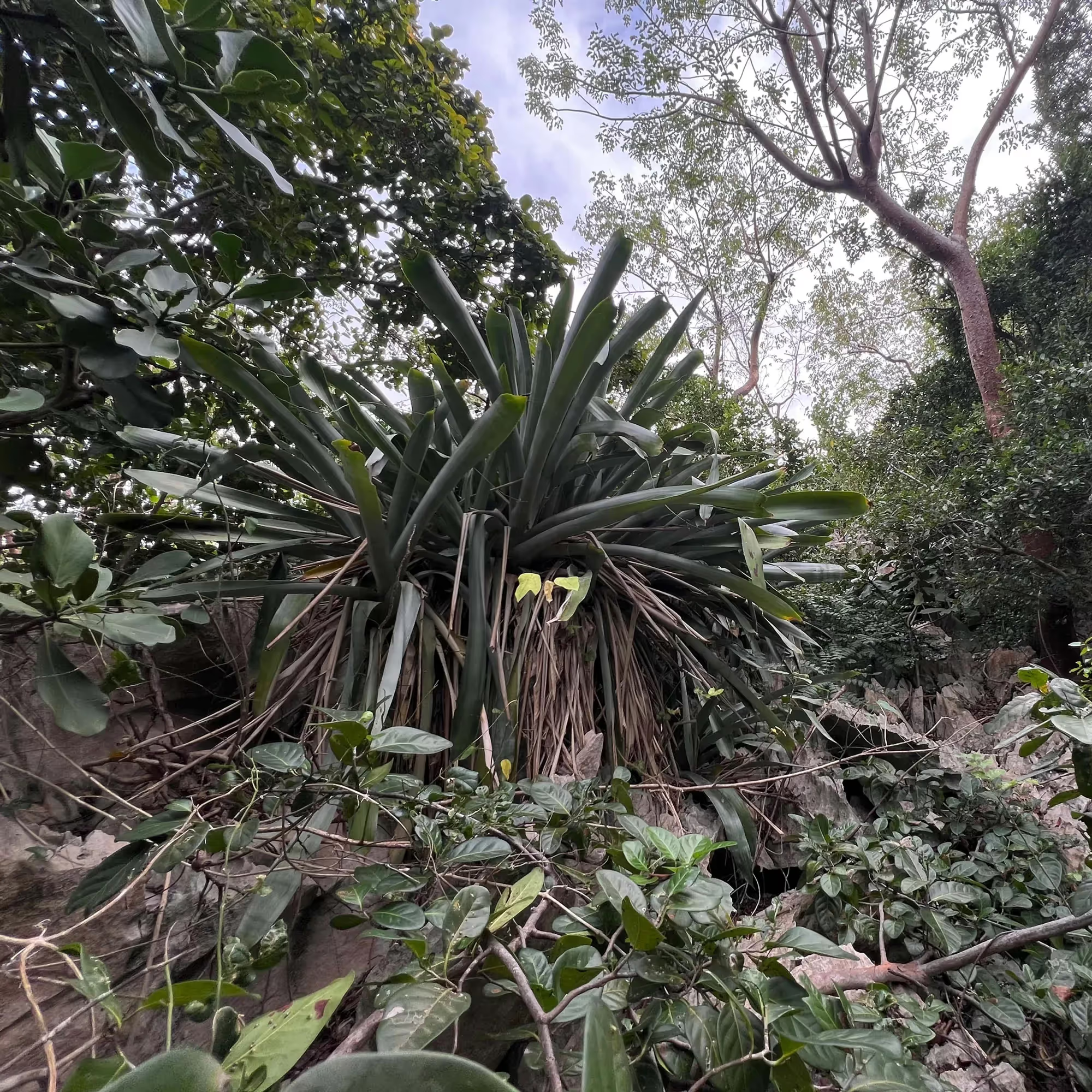
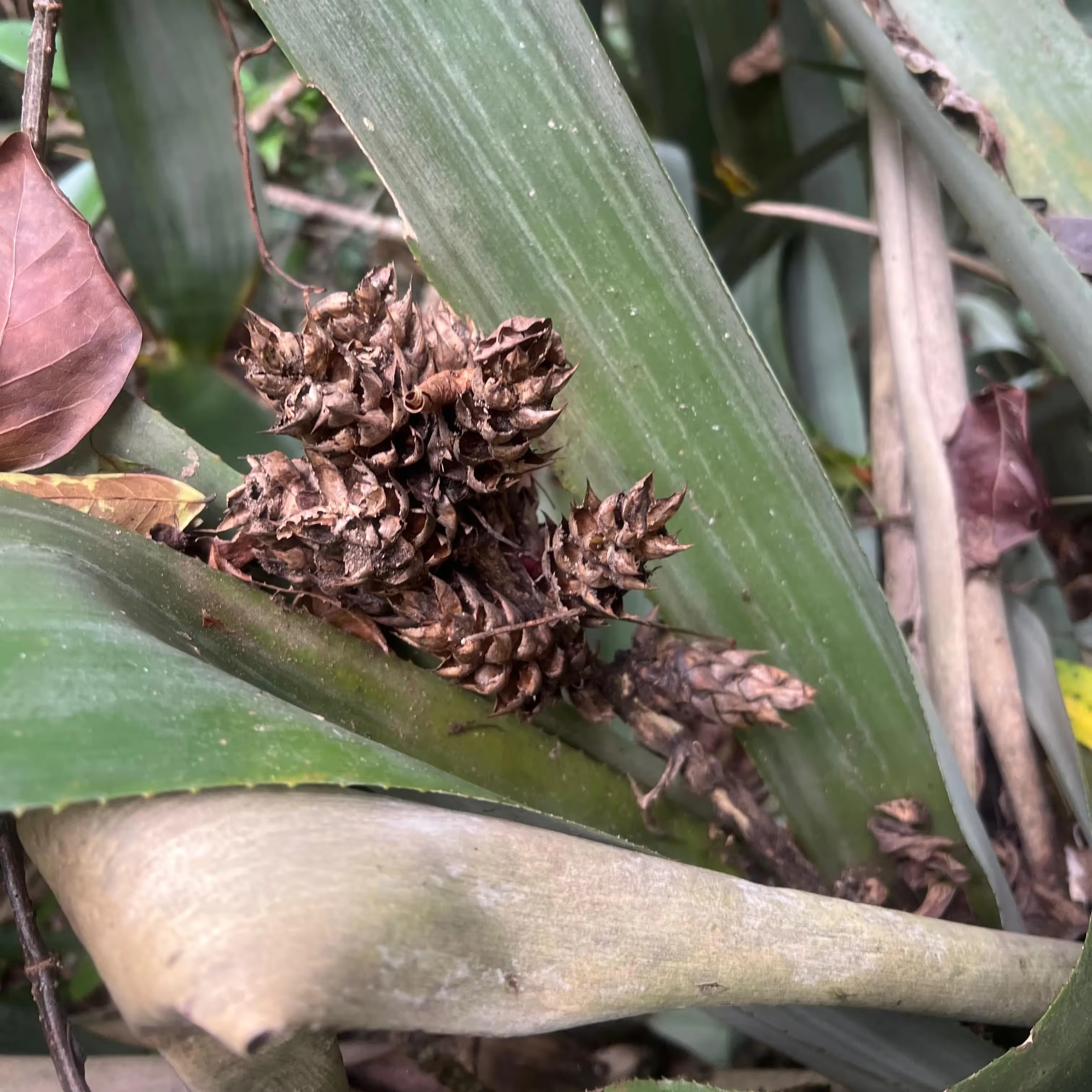
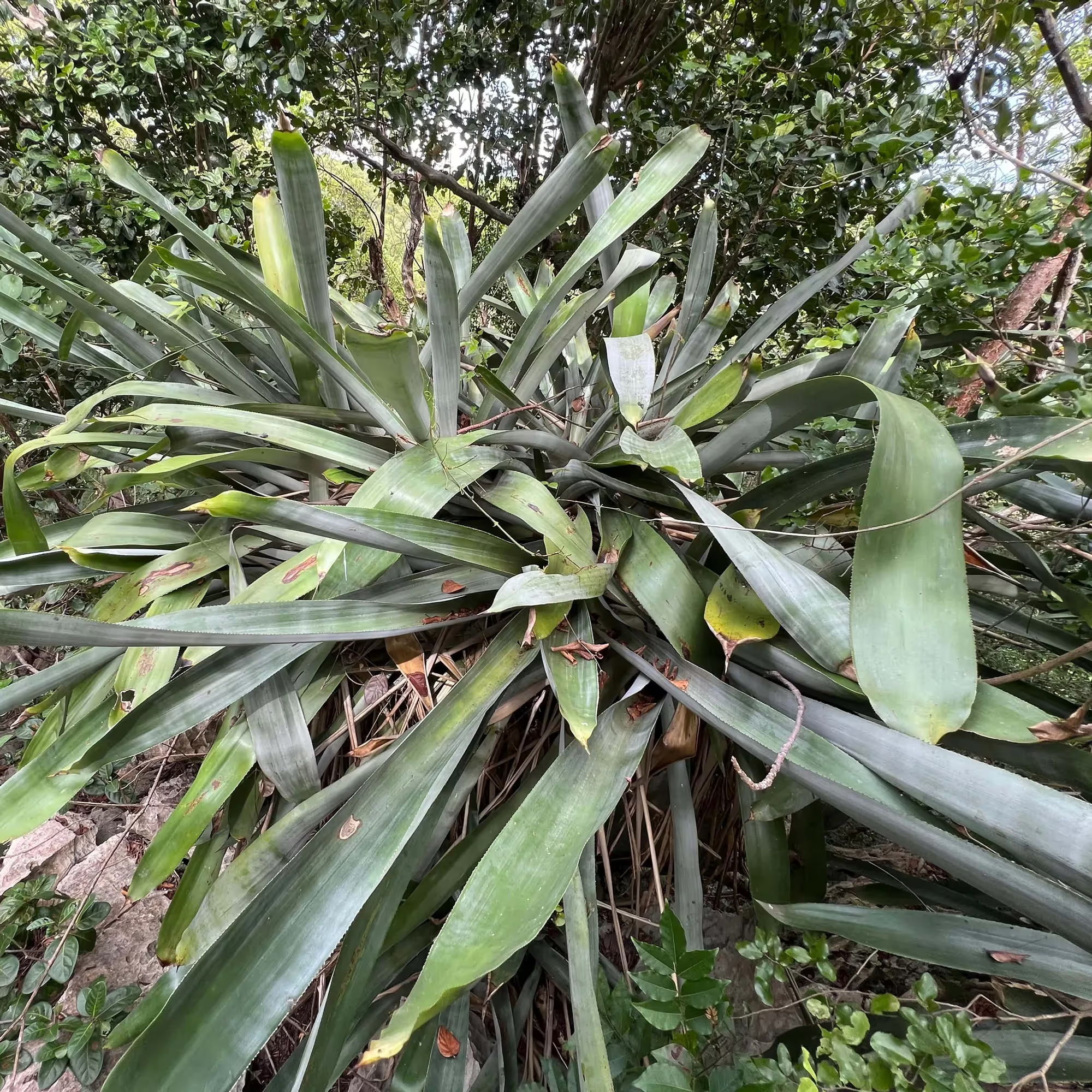
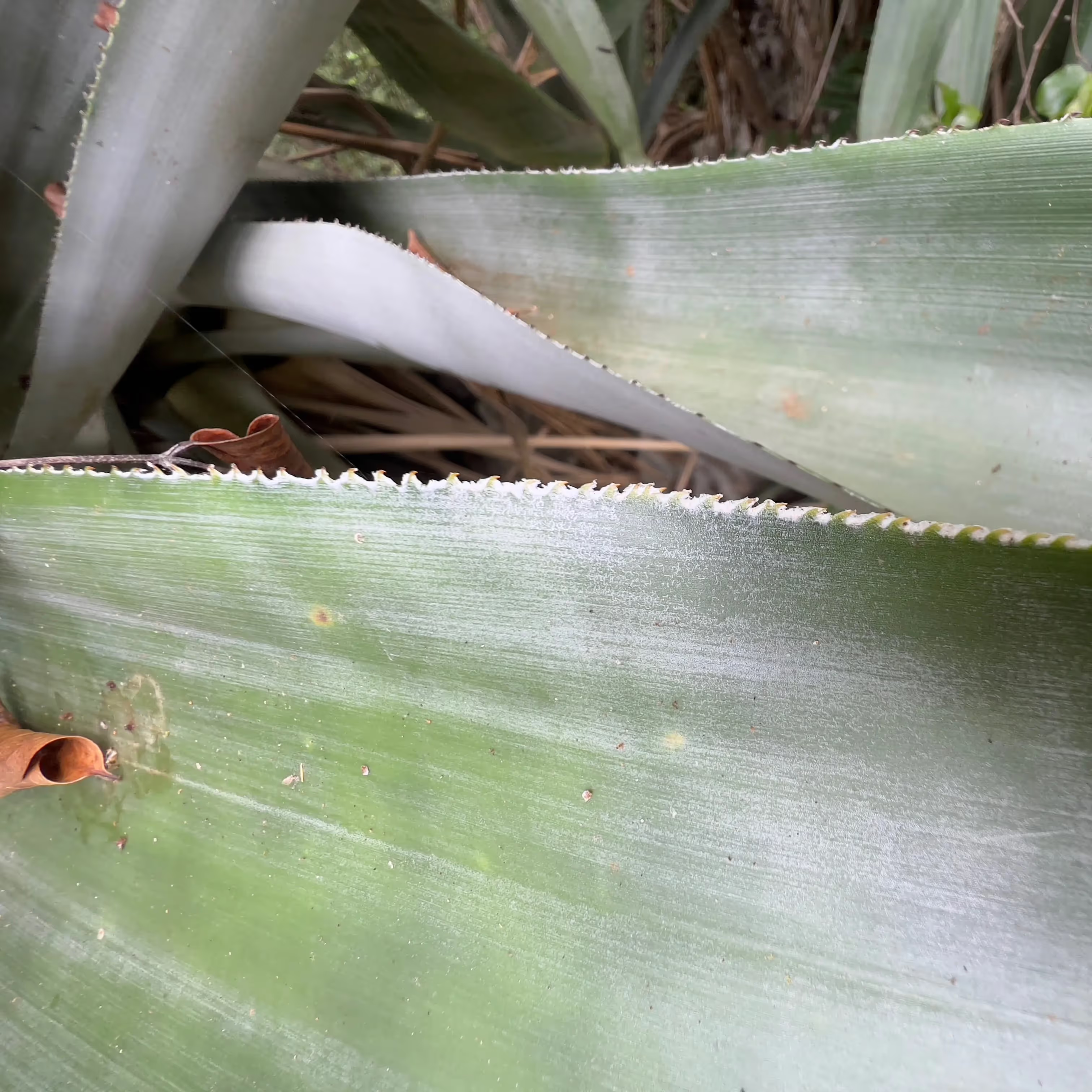
Can you spot Bursera in the back? - As I gained some height, I looked up and saw one of my target species for the day, another endemic, and another bromeliad, and another lithophyte, Wittmackia antillana - syn. Hohgenbergia.
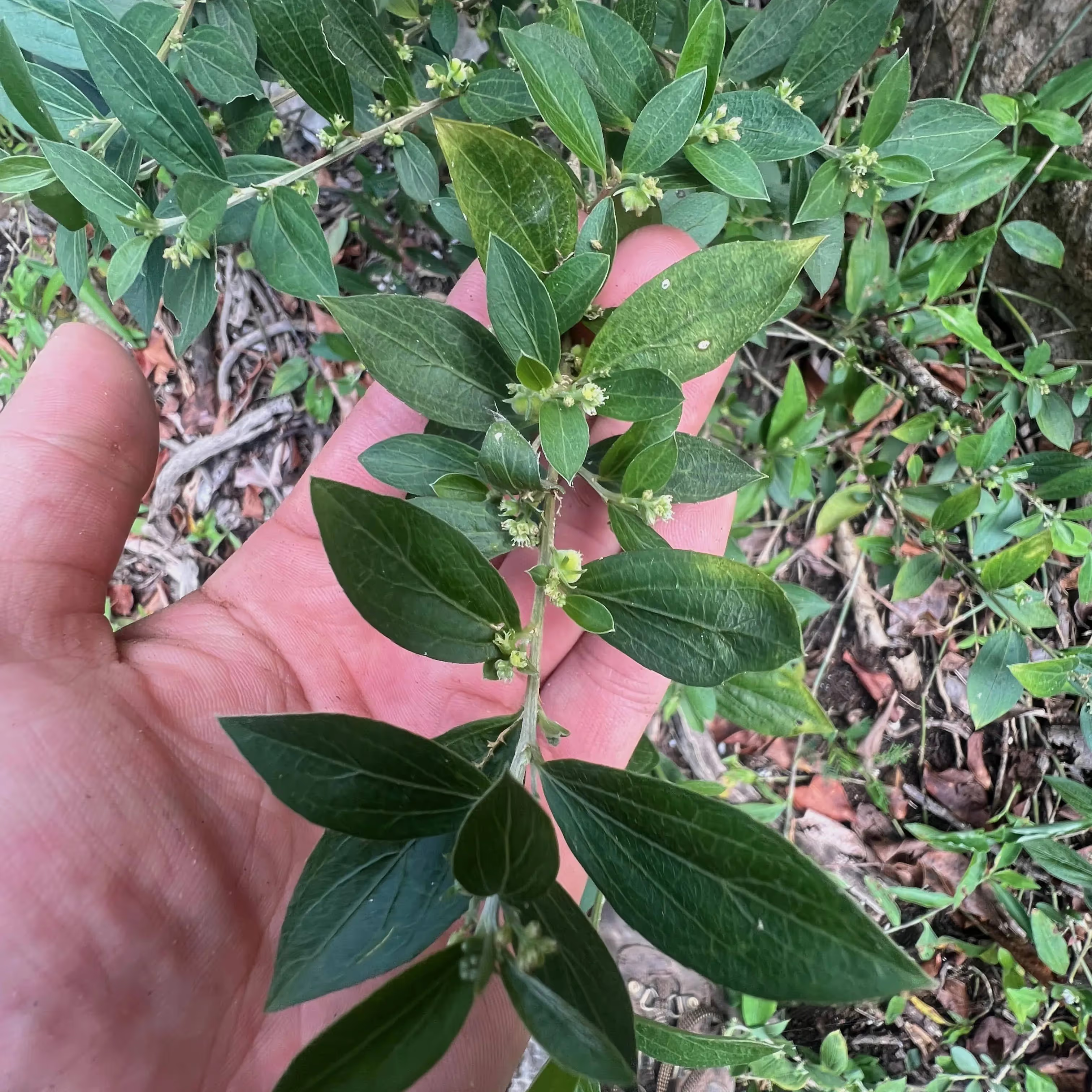
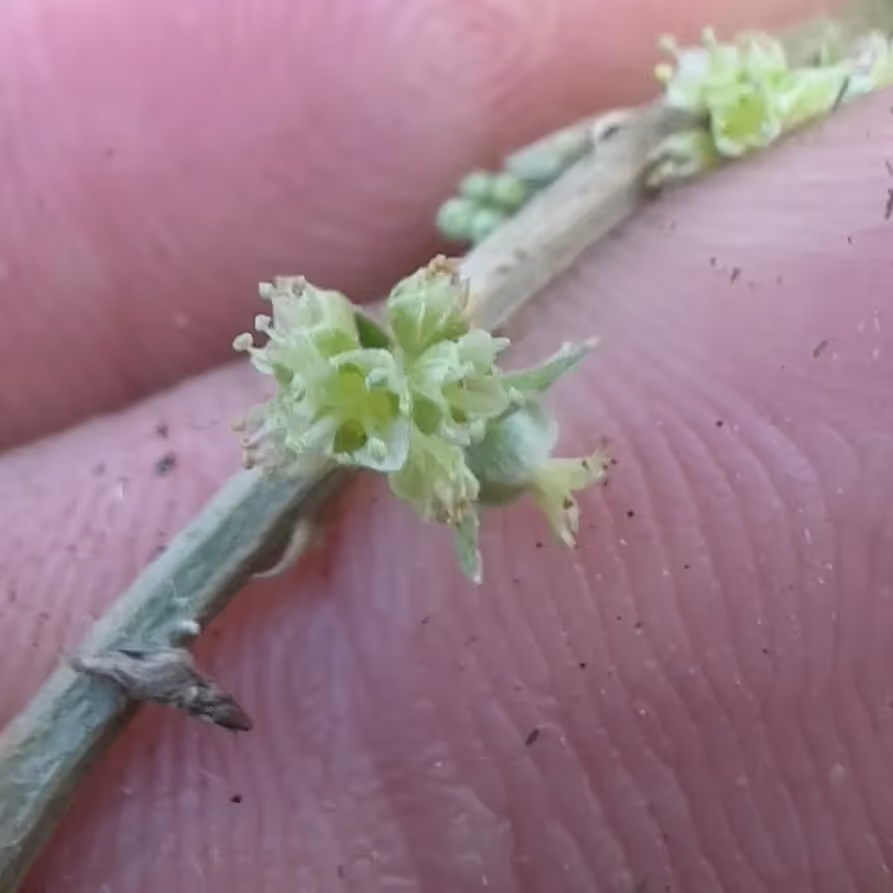
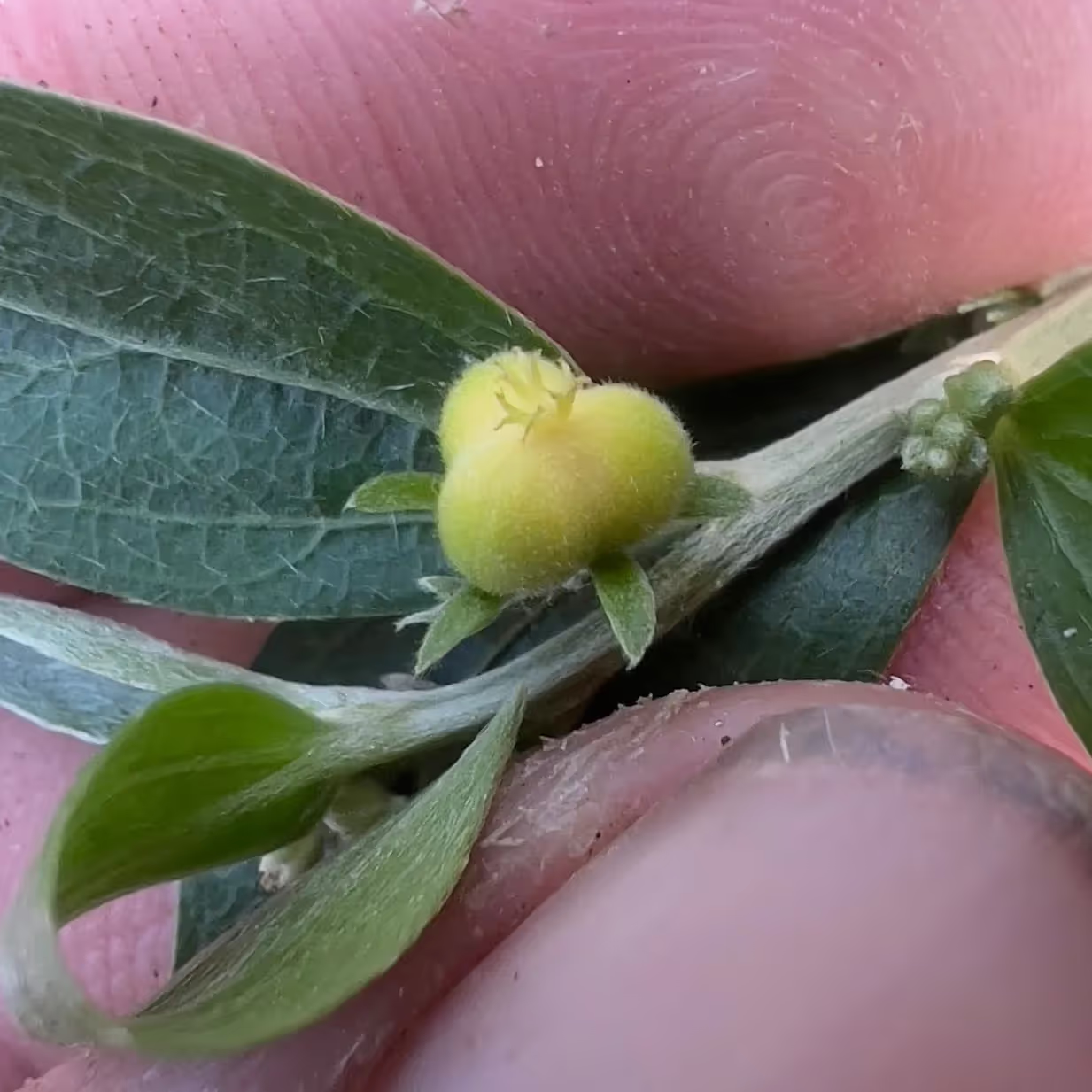
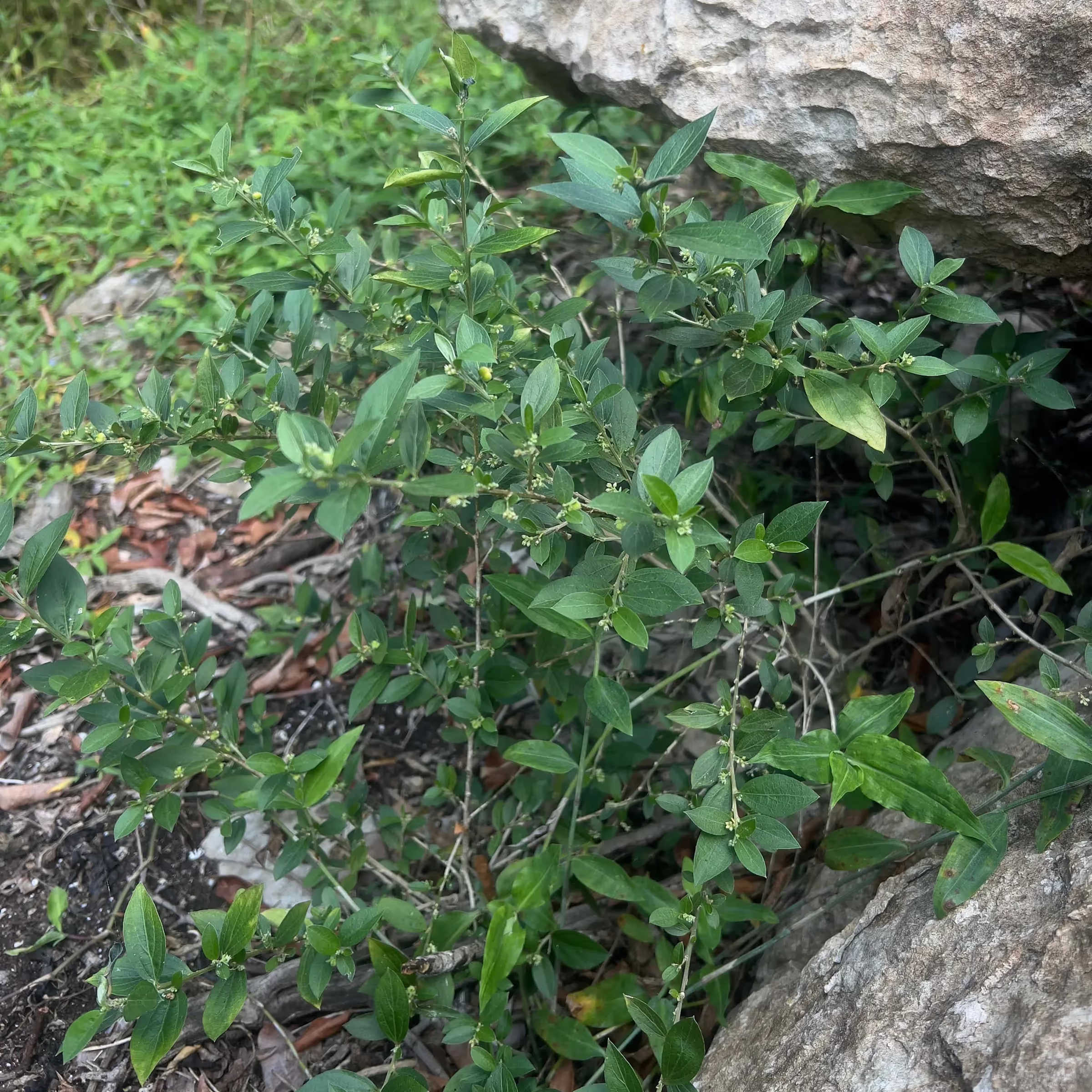
- I then came upon a section of the hillside with more fertility and less exposed boulders, and there sat an incredibly charming Euphorbiaceae species, Argythamnia candicans.
Instagram: @emmettserrano