













































Cactus & Succulent Cultivation in the UK
In winter, my greenhouse in the north of England sits still for weeks at a time. Outside, rain drifts across the garden in long grey sheets. Inside, the plants wait. A small electric heater clicks on and off, keeping the temperature just above 2°C (35.6°F), but beyond that, they are left alone for around six months every year.
This is cactus growing in the UK.
For context, I live in West Yorkshire, in the north of England. This is roughly the same latitude as Edmonton, Alberta. The reason, of course, that we are not buried under snow for half the year is the Gulf Stream, which softens our winters. Even so, winter nights here regularly fall to -5°C (23°F), occasionally to -10°C (14°F). More defining than the cold, however, is the damp. It rains for days without pause. Our winters are long, dark, and persistently wet.
The UK may look small on a map, but growing conditions vary considerably. The southwest, particularly Cornwall, benefits more directly from the Gulf Stream and enjoys relatively mild winters, with frost rare. The east of the country is drier and more suitable for outdoor experimentation. London, like many major cities, has its own microclimate and rarely sees serious snowfall. Here in West Yorkshire, though, the greenhouse is not optional. It is the foundation of cultivation.
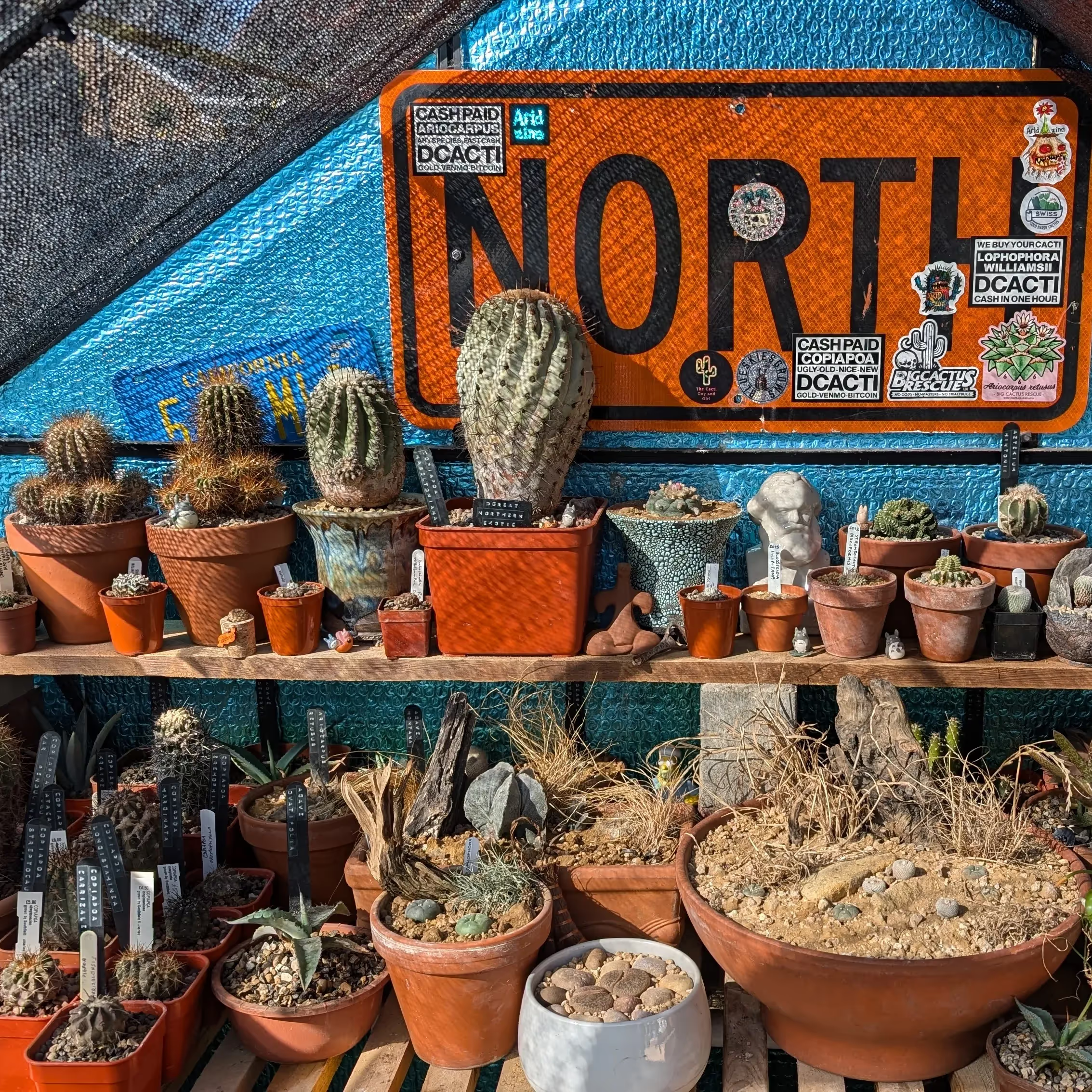
My own greenhouse is modest, measuring just 4 by 6 feet, constructed of glass with foil-backed insulation along the north wall to preserve light and warmth. Automatic roof vents regulate summer heat. In winter, I line the interior with bubble wrap to retain what warmth I can. A thermostat-controlled electric heater ensures temperatures never drop below 2°C (35.6°F). In summer, 50 percent shade cloth prevents scorching during brighter spells. These measures are standard practice among British growers. While a few people grow on windowsills or in conservatories (glass-roofed extensions attached to houses, similar to sunrooms) the vast majority rely on greenhouses.
Our growing season is short. I begin watering in late March or April, once light levels recover sufficiently, and continue through late September or early October. Then watering stops entirely. Plants must dry completely before winter sets in. Most will receive no water for six months. Damp air means rot is a constant risk, and restraint is the most important skill a British grower learns.
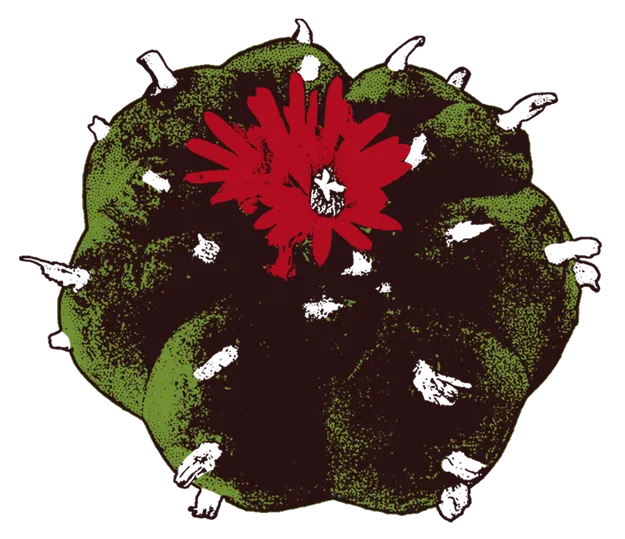
My path into this world began not in Britain, but via New York City. An old friend of mine, Tom Roszkowski - well known perhaps to some of you NYC growers - first turned me on to cactus growing. At the time, I was immersed in tropical plants. Tom introduced me to the world of serious cactus cultivation and pointed me toward the British Cactus and Succulent Society. In 2022, I attended the BCSS National Show for the first time. Seeing mature specimens of Lophophora and Ariocarpus shifted my understanding of what cultivation could be. I joined the society soon after. Once you are hooked, you are hooked.
Since then, the BCSS has shaped my growing profoundly. Through attending local branch meetings and shows, I have met some extraordinarily knowledgeable growers who are generous with their time and experience. In a country where climate offers little forgiveness, that shared knowledge really matters.
Some names will be familiar beyond Britain. The late John Pilbeam continues to be an oracle of information through his numerous books. Graham Charles, the current BCSS President and an experienced explorer of South American habitats, has been particularly helpful in offering in person cultivation advice informed by both fieldwork and decades under glass.
Perhaps the greatest privilege, however, was receiving a private tour of the greenhouse of David Quail. For growers of slow Mexican species, his name carries real weight. He has been cultivating plants such as Ariocarpus, Geohintonia, and Aztekium from seed for more than sixty years. Walking through his greenhouse felt like stepping into a living archive. He has been exceptionally generous with his knowledge and time. I filmed my visit for my YouTube channel, and I will include a link below for anyone interested in seeing what sixty years of careful cultivation looks like.
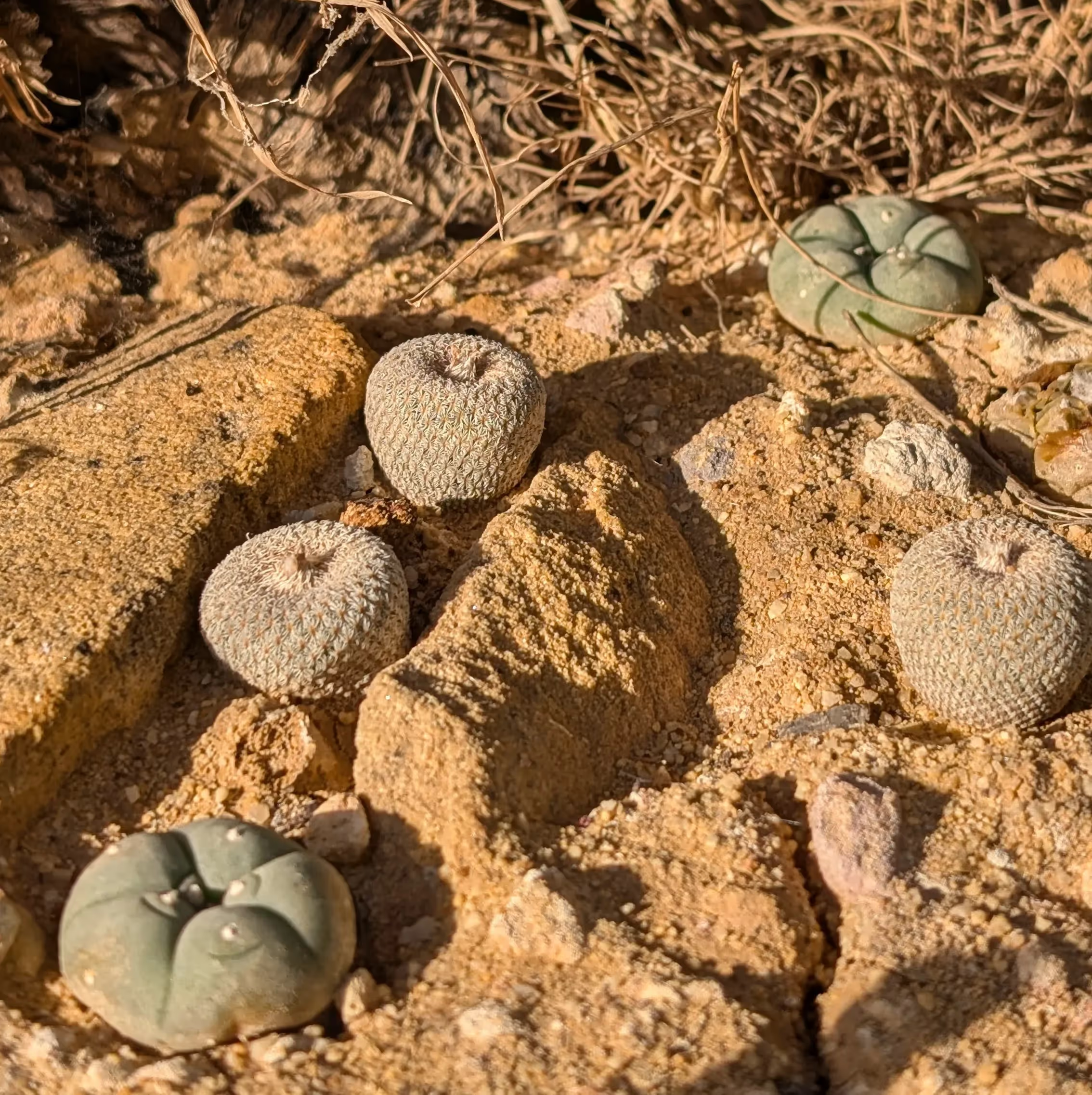
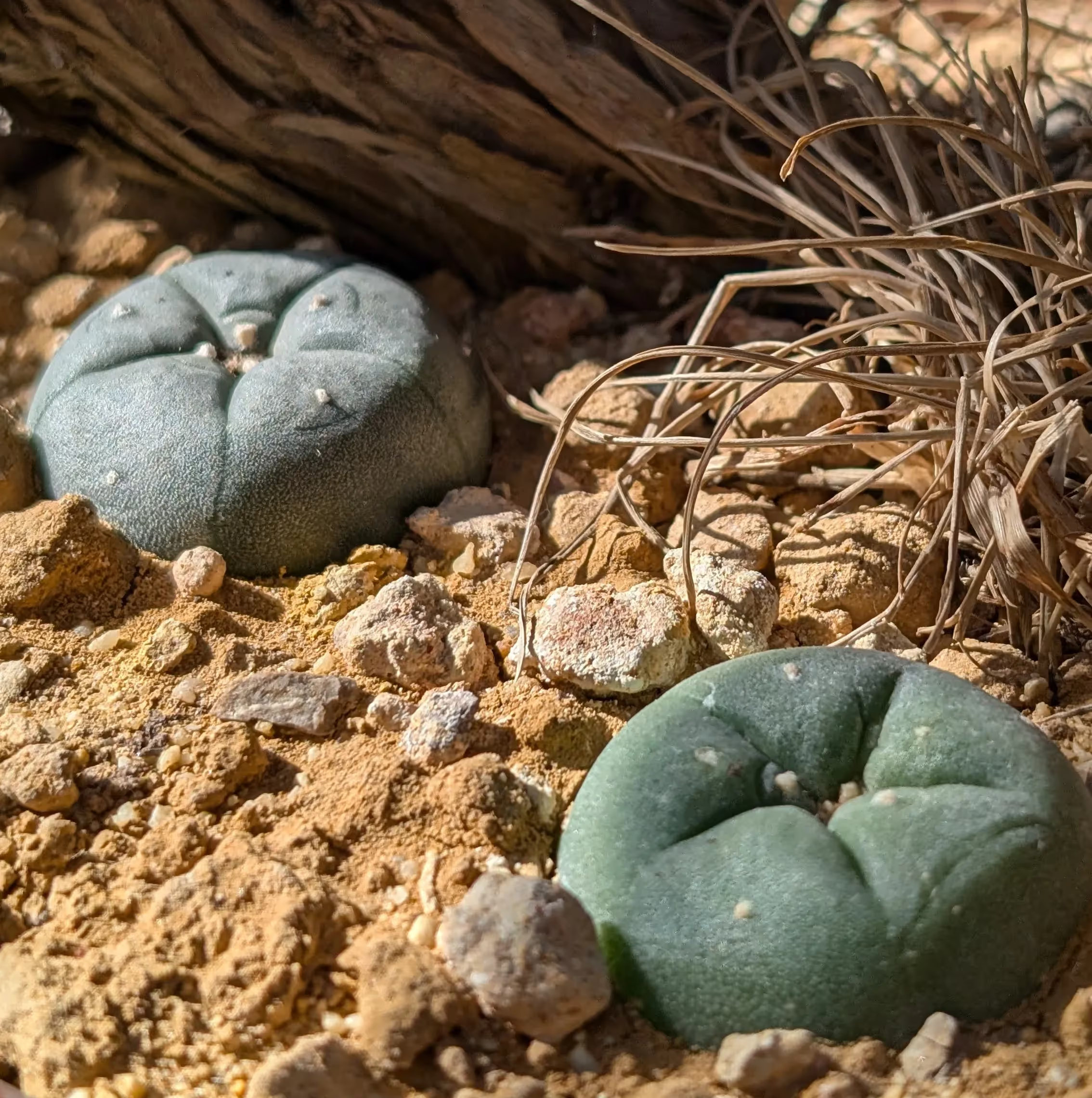
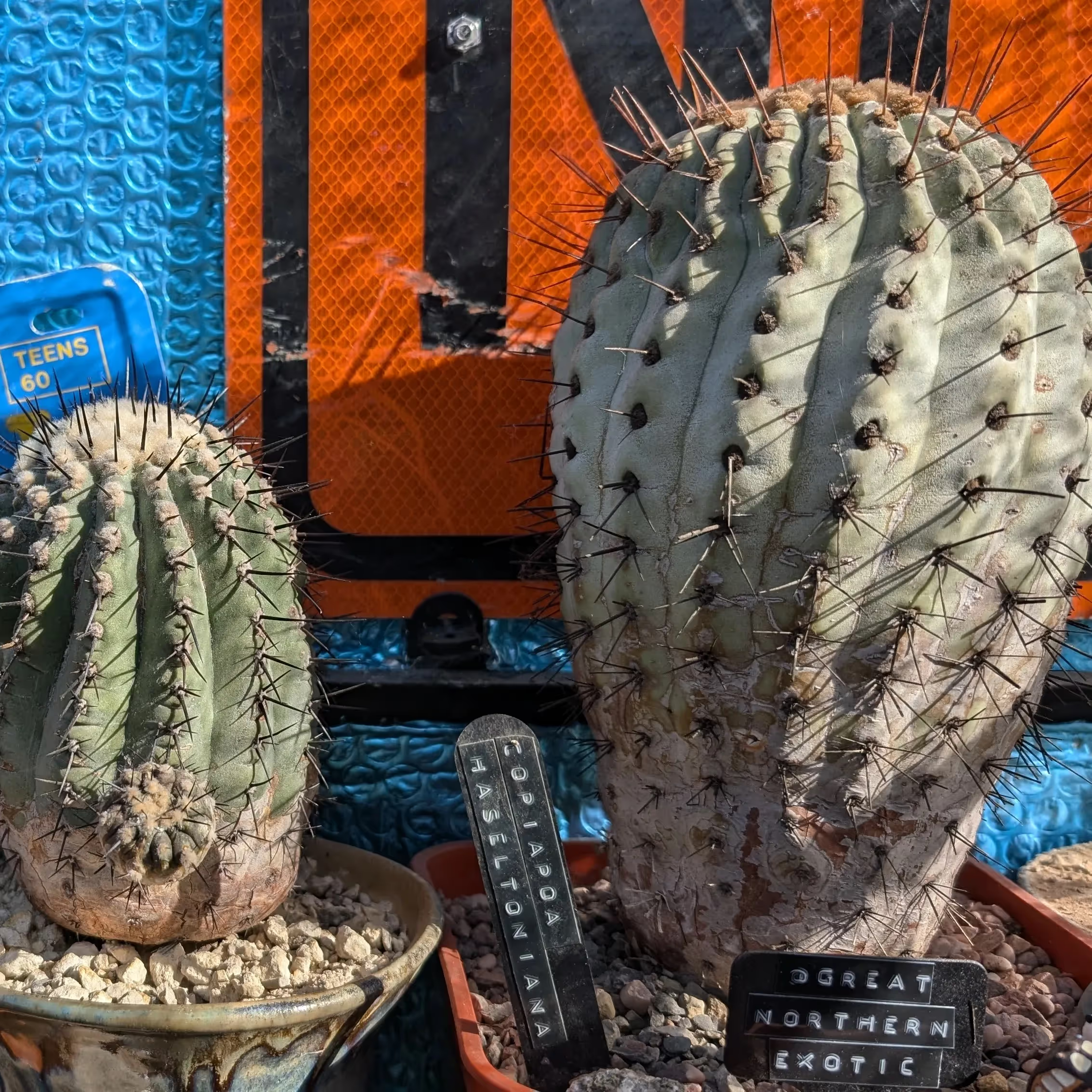
My own collection remains relatively small, constrained by space. I find it hard to focus on any particular genus, though I am drawn to Mexican miniatures and slow growers: Aztekium, Ariocarpus, Lophophora, Epithelantha. I also grow several species of Copiapoa, particularly Copiapoa cinerea and Copiapoa haseltoniana. I favour compact, hard-grown plants, aiming to echo their habitat forms rather than push rapid growth.
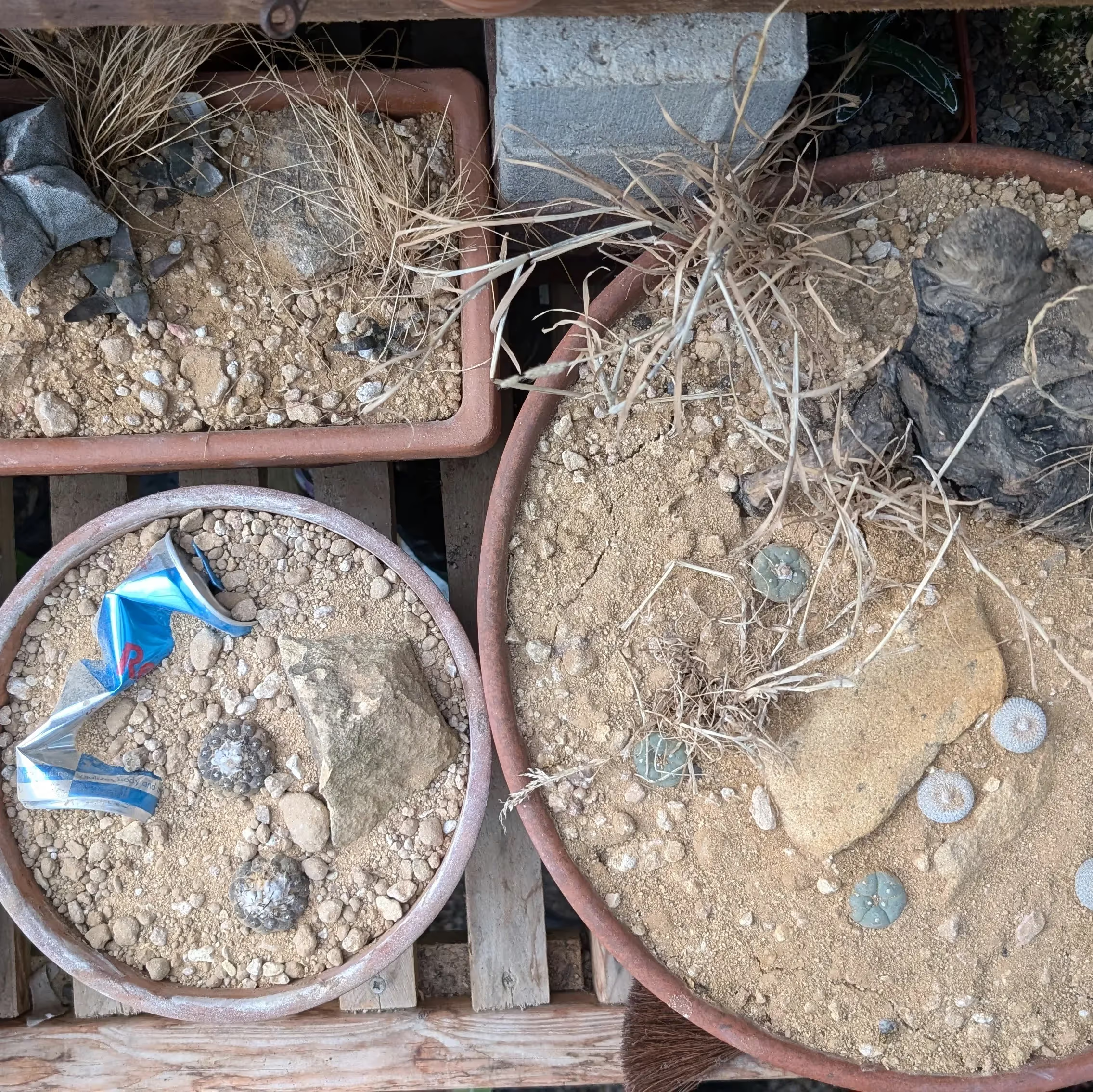
I do not fertilise. Repotting happens only when necessary, allowing plants to fully inhabit their containers. Substrate preferences vary across the UK. Many experienced growers rely on a traditional 50-50 blend of John Innes No. 2 compost and an inorganic component such as horticultural grit. Cat litter has become a surprisingly common ingredient due to its drainage properties. I lean toward more mineral-heavy mixes, topped with lava rock or specialist substrates such as Stone Desert by Exo Terra for habitat-style presentations.
British show culture places emphasis squarely on the age and quality of the specimen itself. Plants are almost always shown in plastic pots, commonly the square BEF pots manufactured specifically for cactus cultivation. Little attention is paid to staging. My own preference for ceramic and terracotta pots is slightly at odds with that tradition. I enjoy habitat-style presentations and would welcome a broader appreciation of that aesthetic in the future.
Brexit has reshaped aspects of British cactus culture as well. Prior to the United Kingdom leaving the European Union, plants moved relatively freely between British and continental growers. European sellers attended our shows, and we travelled to theirs. Since then, import restrictions and paperwork have made access to European material more complicated. The exchange has not stopped, but it has slowed. Like everything else in British cultivation, it now requires patience.
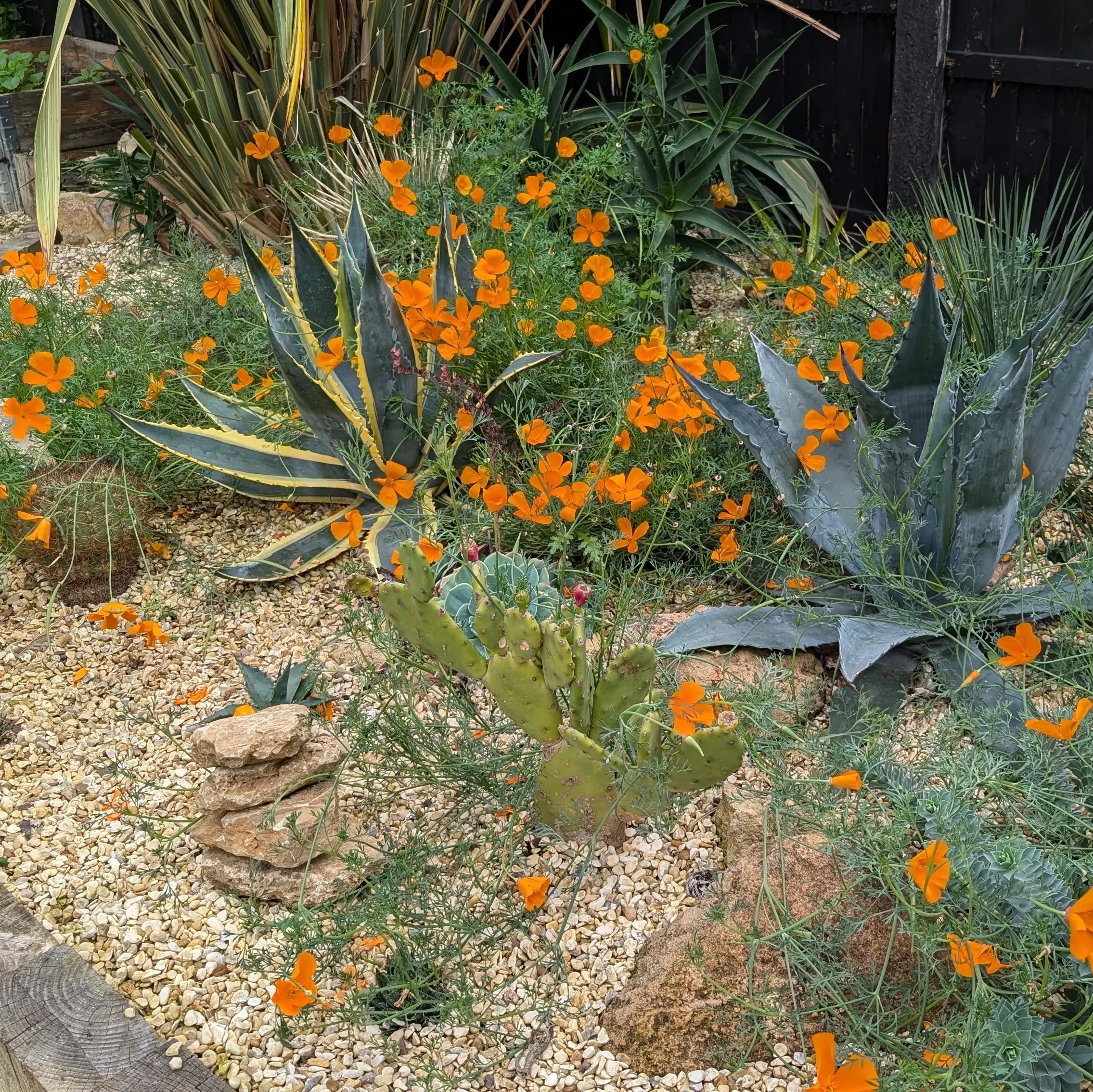
Beyond the greenhouse, I maintain a raised bed planted entirely in gravel. Here grow species capable of tolerating our winter temperatures: Agave montana, Agave ovatifolia, Agave americana, Agave parryi, hardy Opuntia such as Opuntia phaeacantha, along with Yucca, Hesperaloe, and even the Argentine cactus Soehrensia bruchii. These plants can survive the cold, but they cannot endure prolonged wet. Each October, I construct an overhead shelter that remains in place until April. Without it, survival would be unlikely. Even in pure gravel, winter rain will rot almost anything.
Our summers can occasionally reach into the low 30s Celsius (mid to high 80s°F), but they are fleeting. Autumn arrives quickly. Winter darkness lingers. And yet the plants endure.
Growing desert plants at the latitude of Edmonton, in a country defined by rain, may seem improbable. But it is precisely that improbability that gives the practice its meaning. I find my greenhouse a place of solace, a small slice of ‘desert’ where I can escape to find meaning in tending to these weird and wonderful plants.
If you would like to see more of my greenhouse, outdoor desert bed, and my visit to David Quail’s remarkable collection, you can find me here:
Instagram: @greatnorthernexotic
YouTube: youtube.com/@greatnorthernexotic